
Why zips fail & how to prevent it
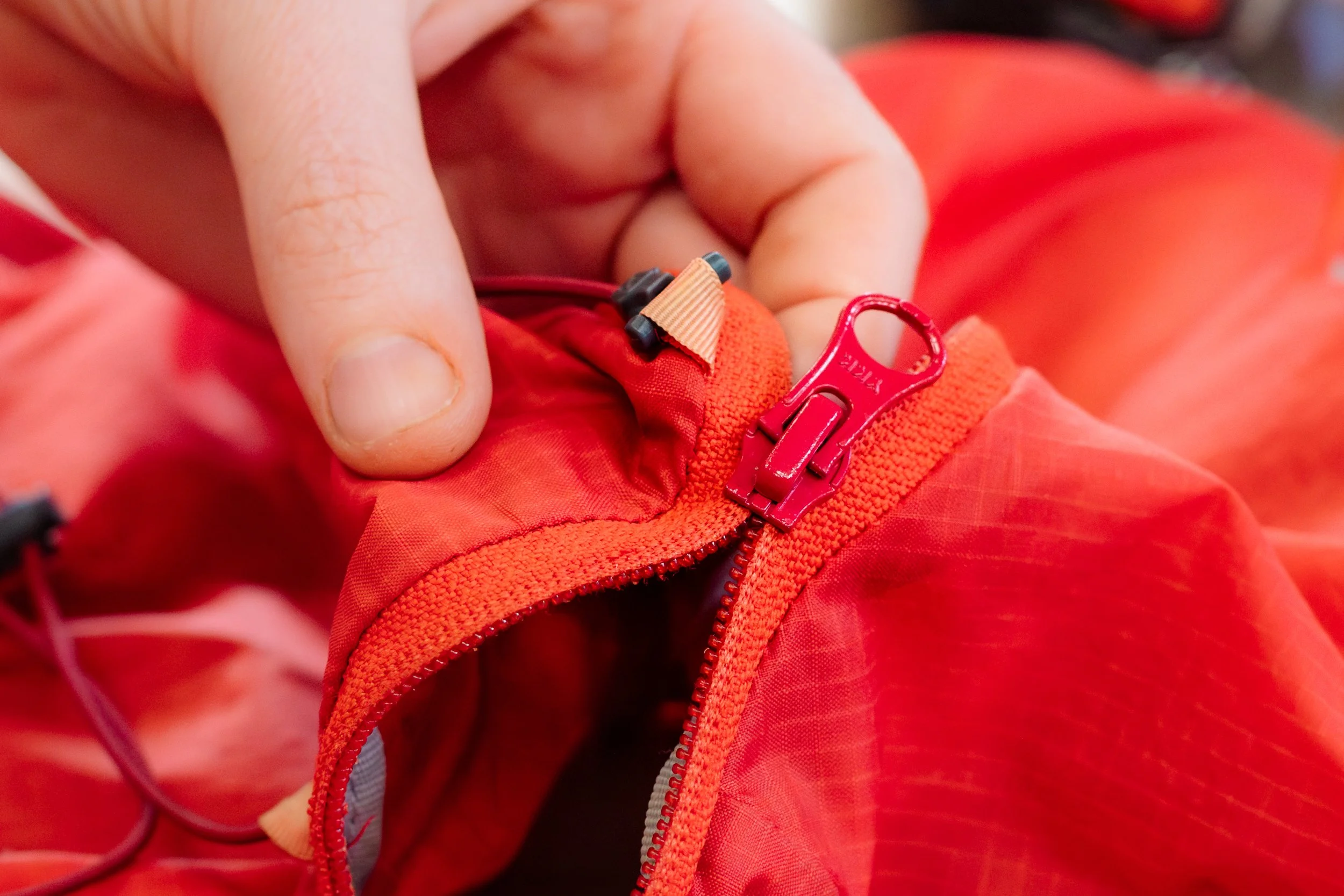
The zips on our outdoor gear take quite a beating, dealing with rain, cold hands pulling them up and down, and mud and sand getting in the mix. Over time they can become worn or damaged. Often the problem starts with the slider, but the zip itself can also become damaged.
Understanding what causes zip problems can help you avoid unnecessary damage and keep your zips working for longer.
Why do zips fail?
The slider spreads
One of the most common problems is the slider becoming slightly wider or distorted over time.
The slider needs to bring both sides of the zip together or apart as it moves up and down. When it starts to spread, it no longer provides a good channel for the teeth to join, causing the zip to separate behind the slider.
The slider wears out
Sliders are used repeatedly, and the inside can gradually wear down. As the slider becomes worn, it may stop engaging with the teeth or coil properly. The zip might then start separating, sticking, falling down, or failing to close.
Corrosion
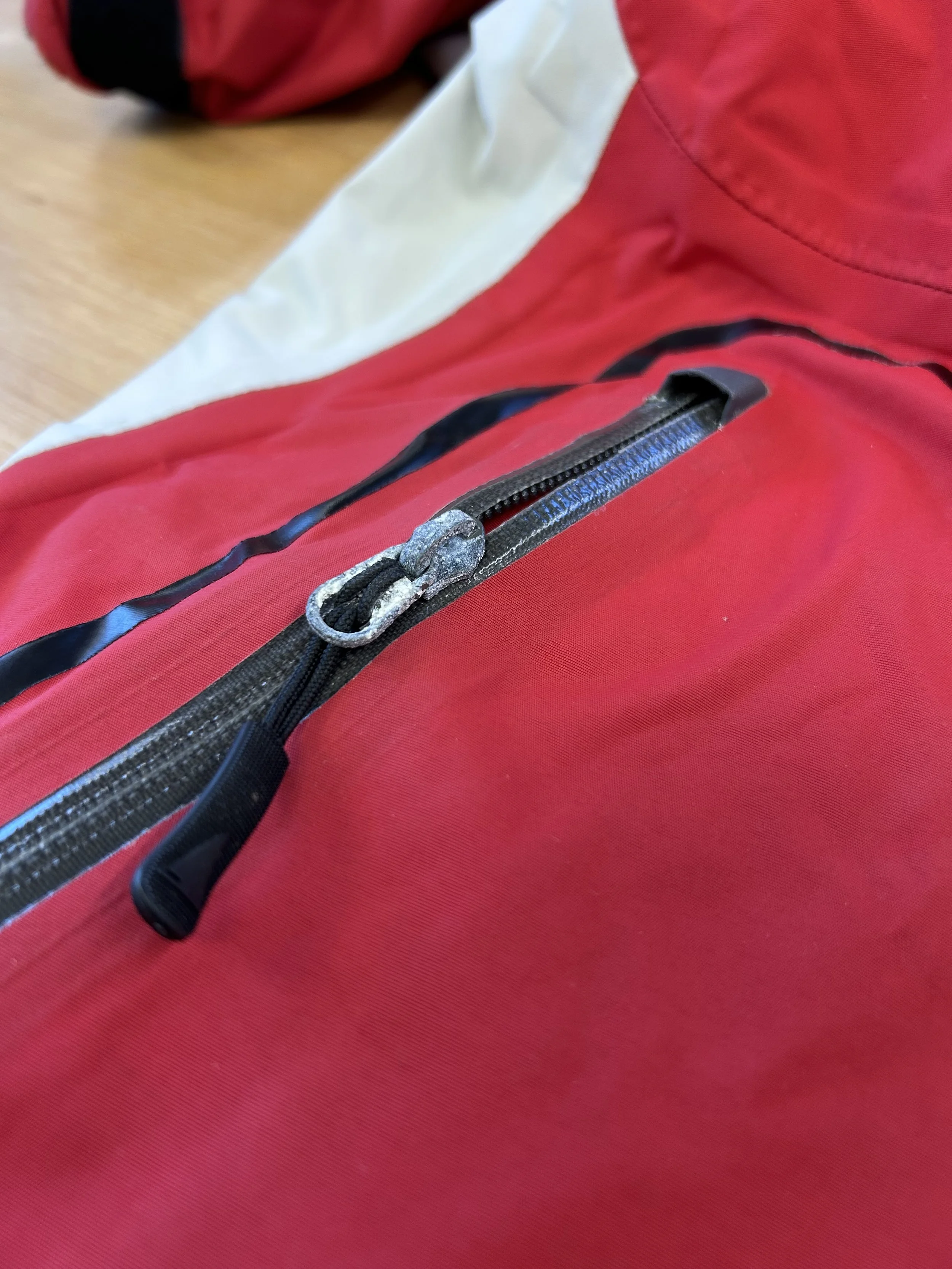
Metal zips and sliders can corrode, particularly on outdoor equipment that is exposed to moisture, salt (think sweat) and the elements.
Corrosion can make a slider rough and difficult to move, and in more severe cases it can cause the slider to become stuck and the zip seized. See examples of damaged sliders below.
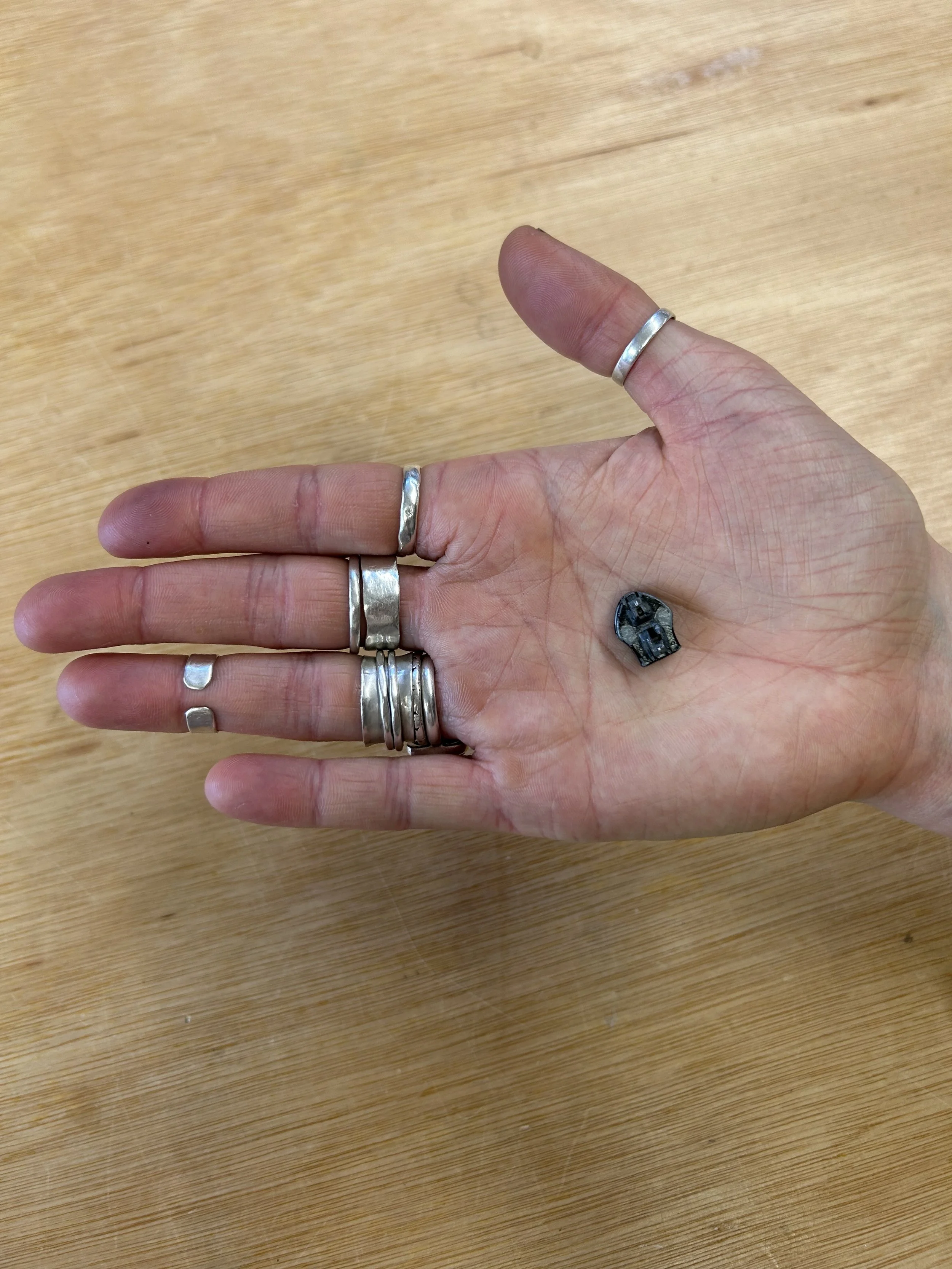
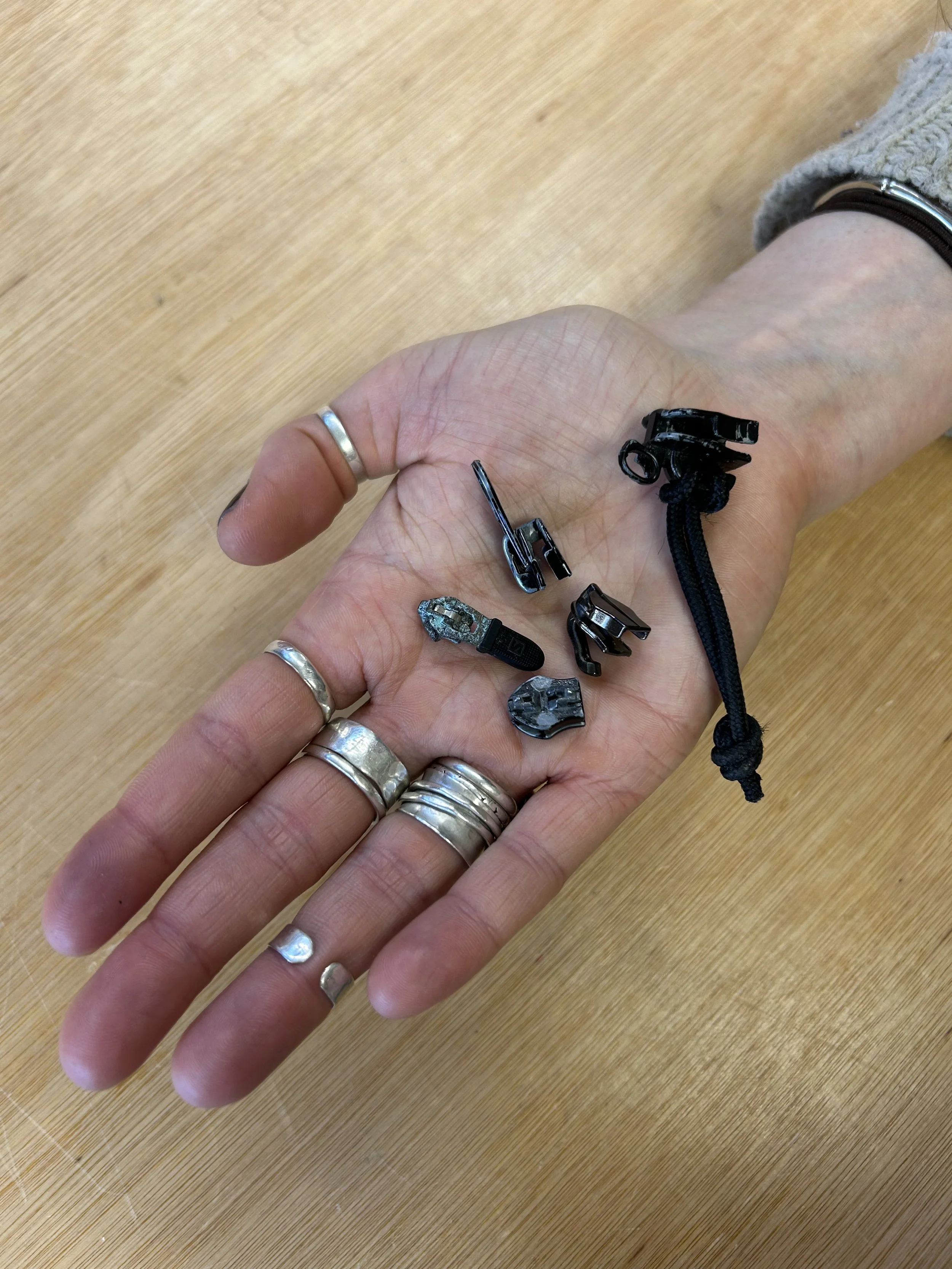
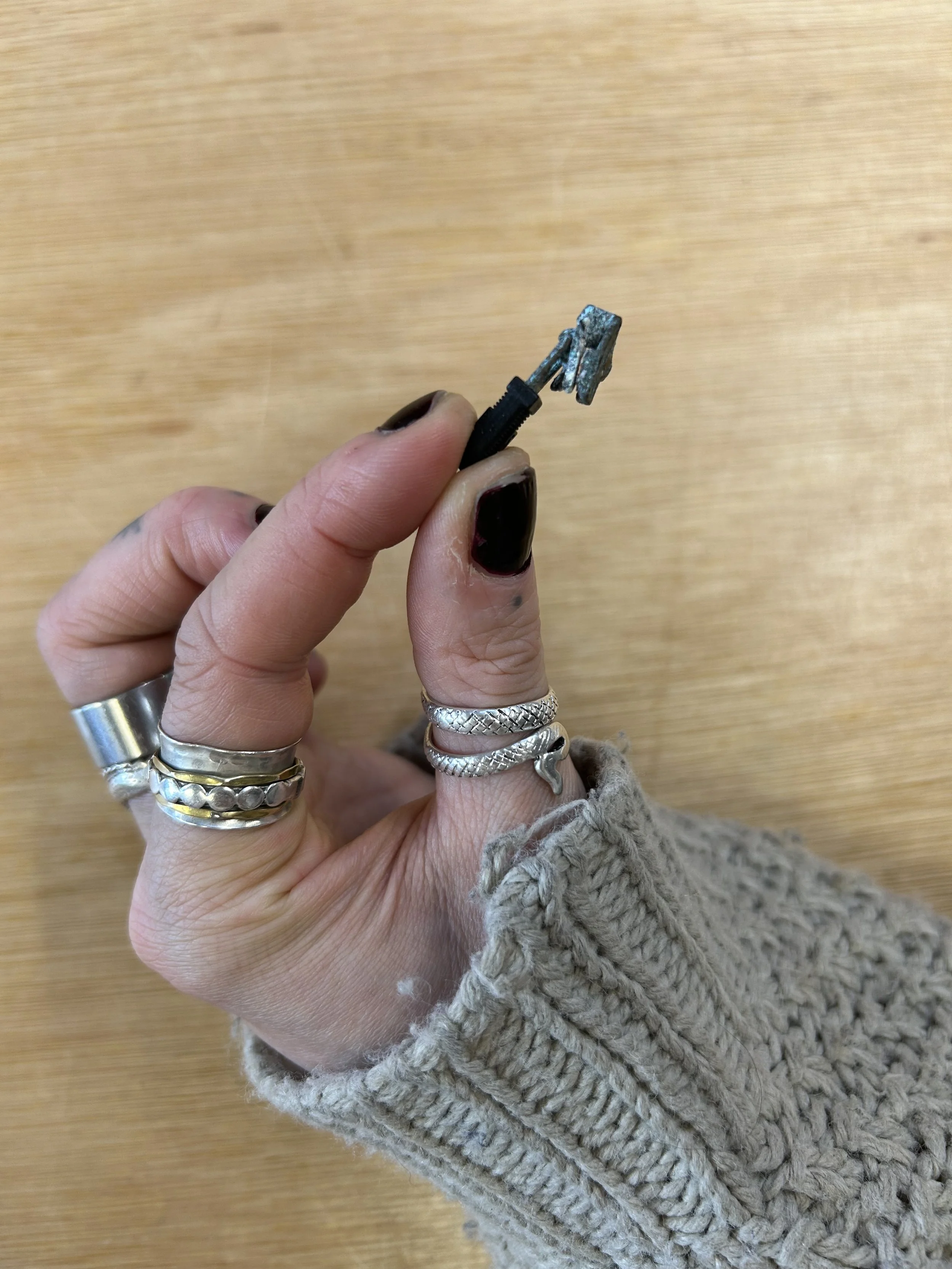
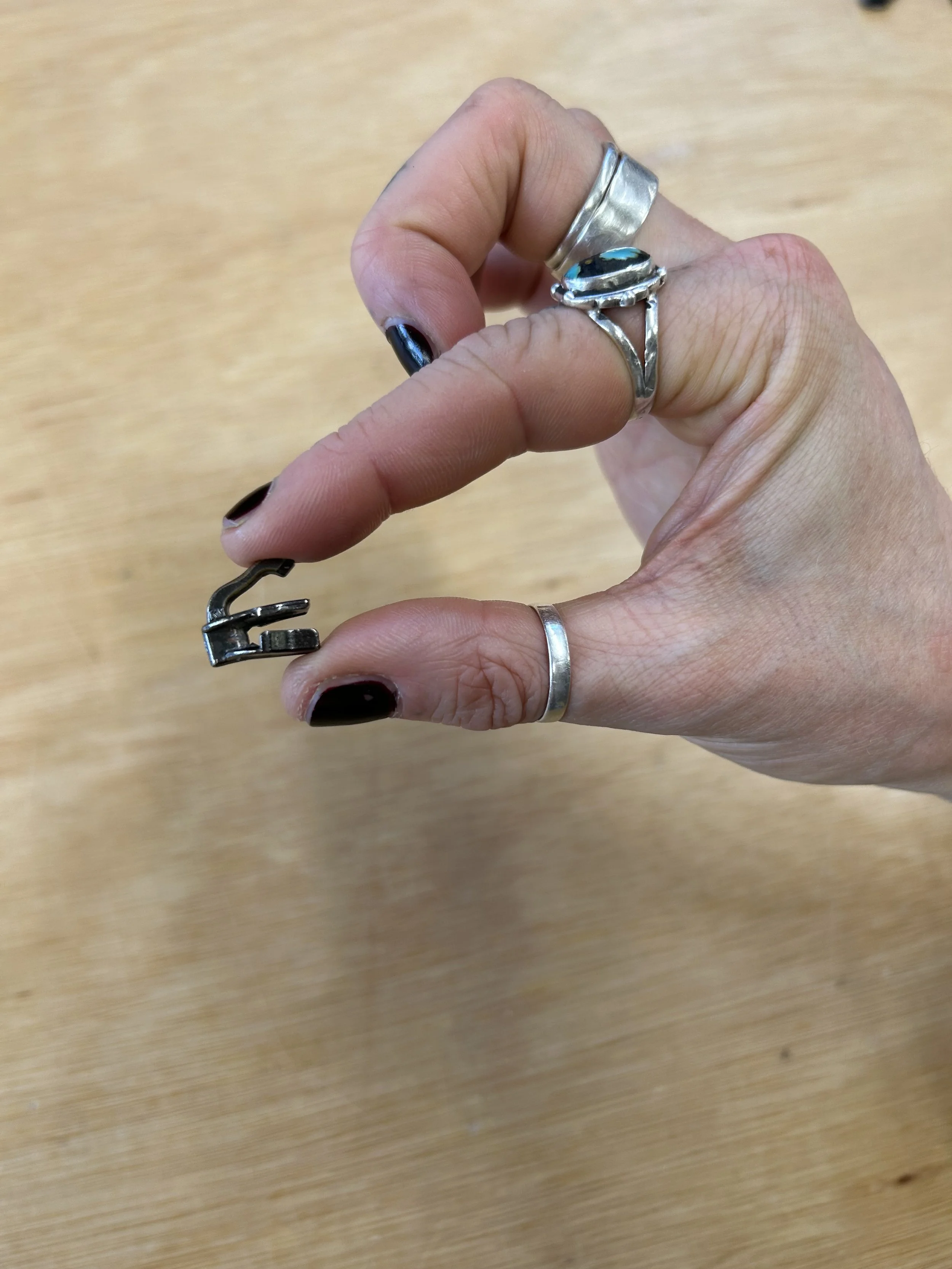
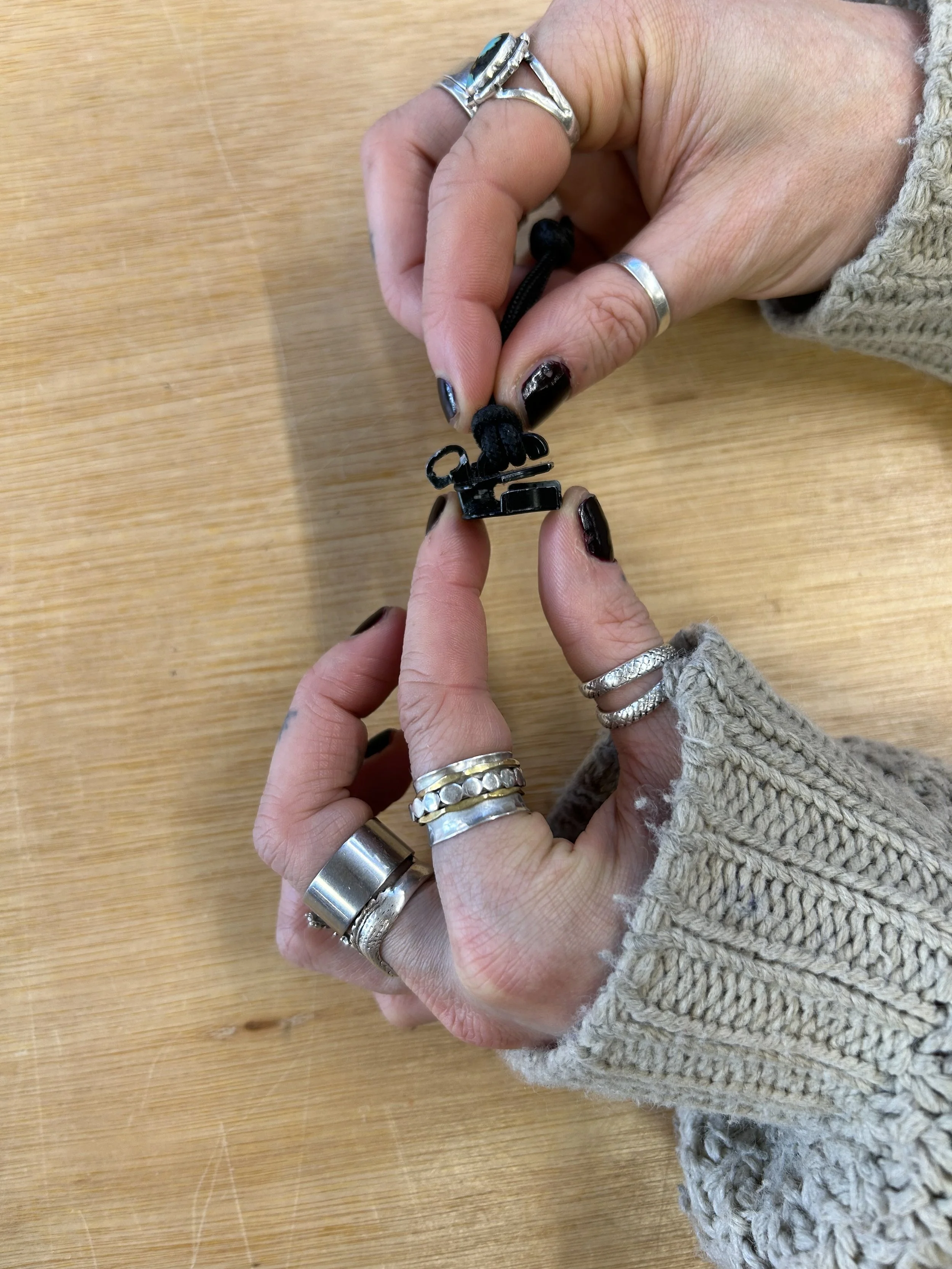

Damage to the zip itself
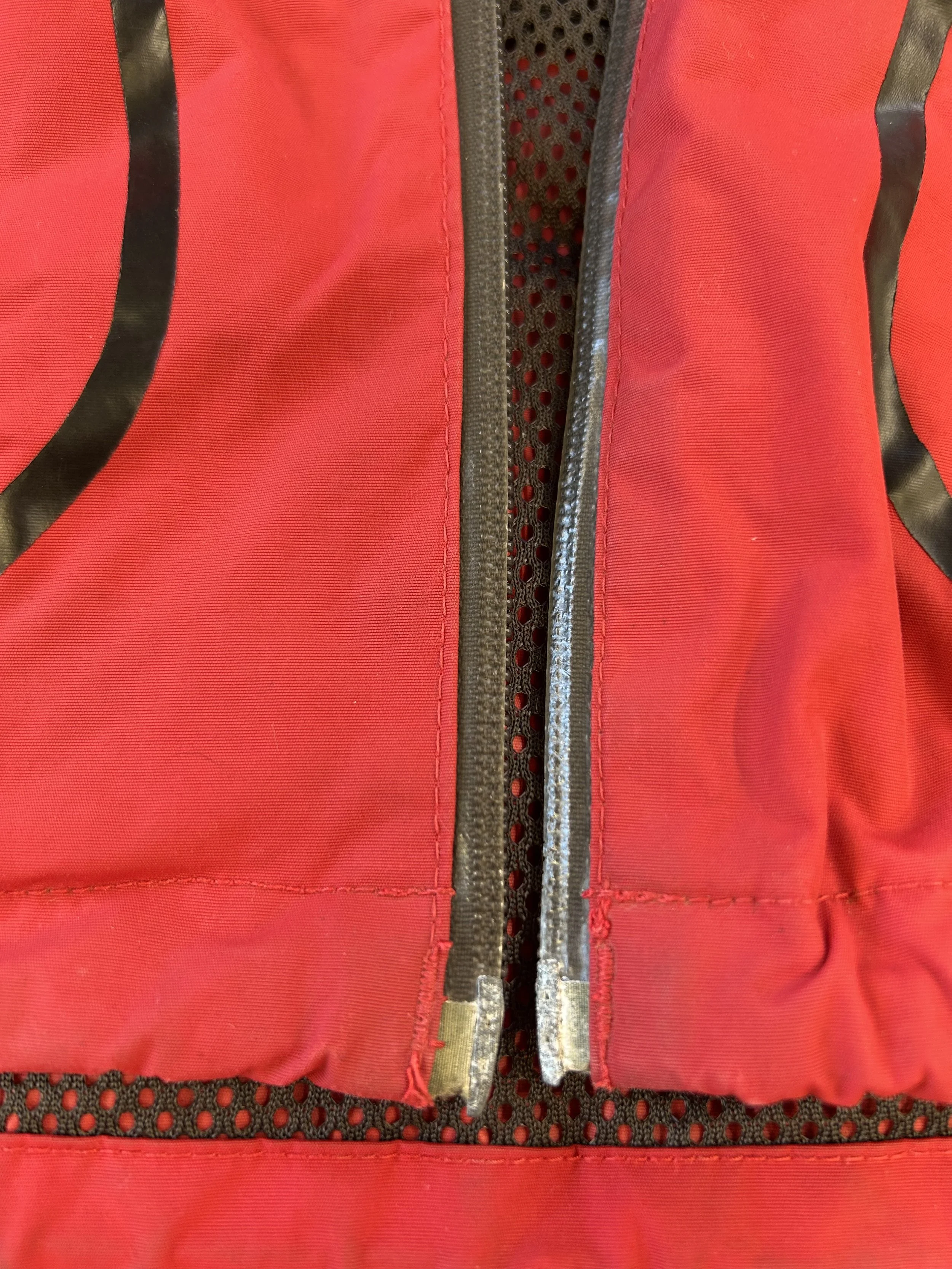
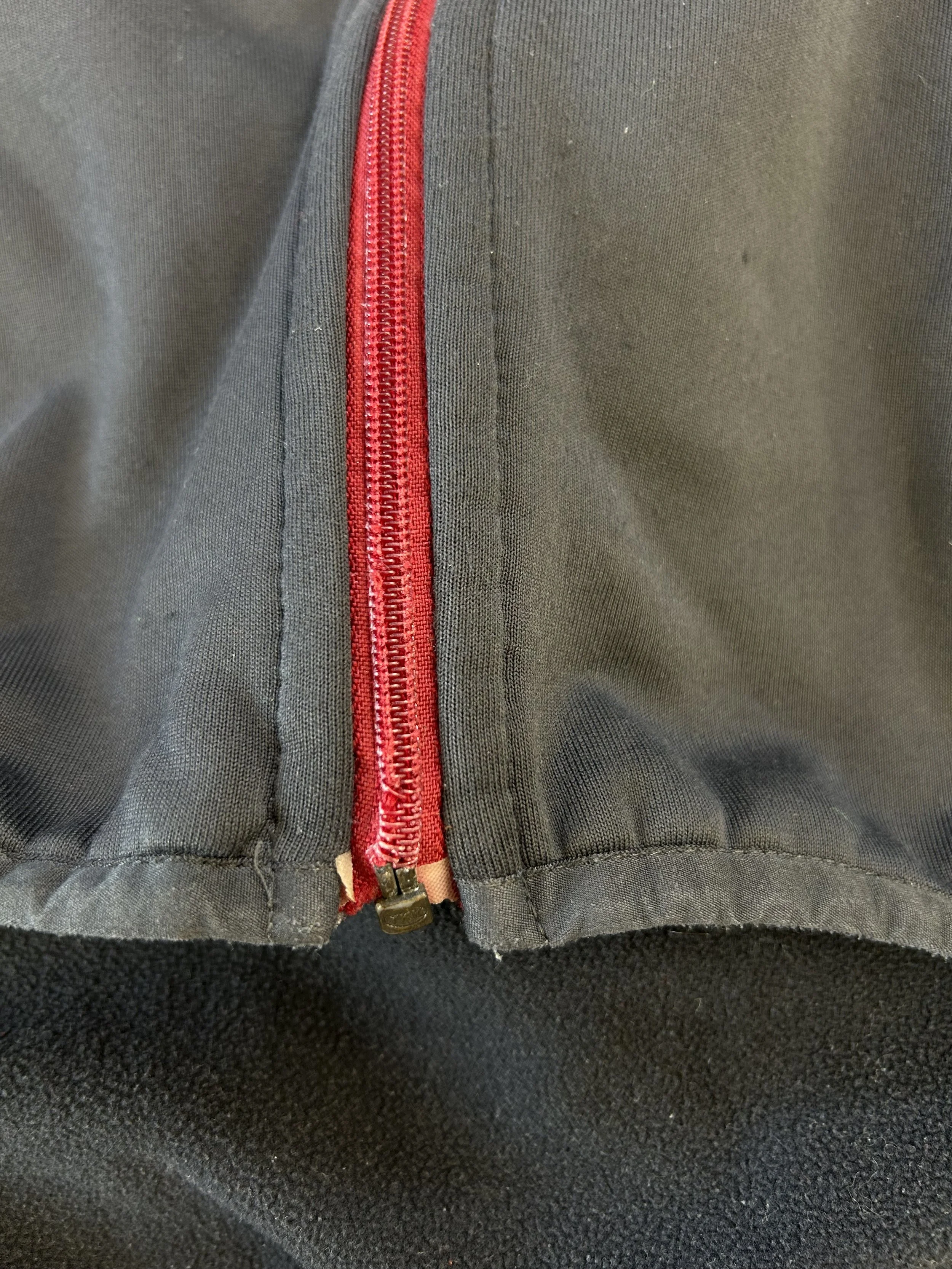
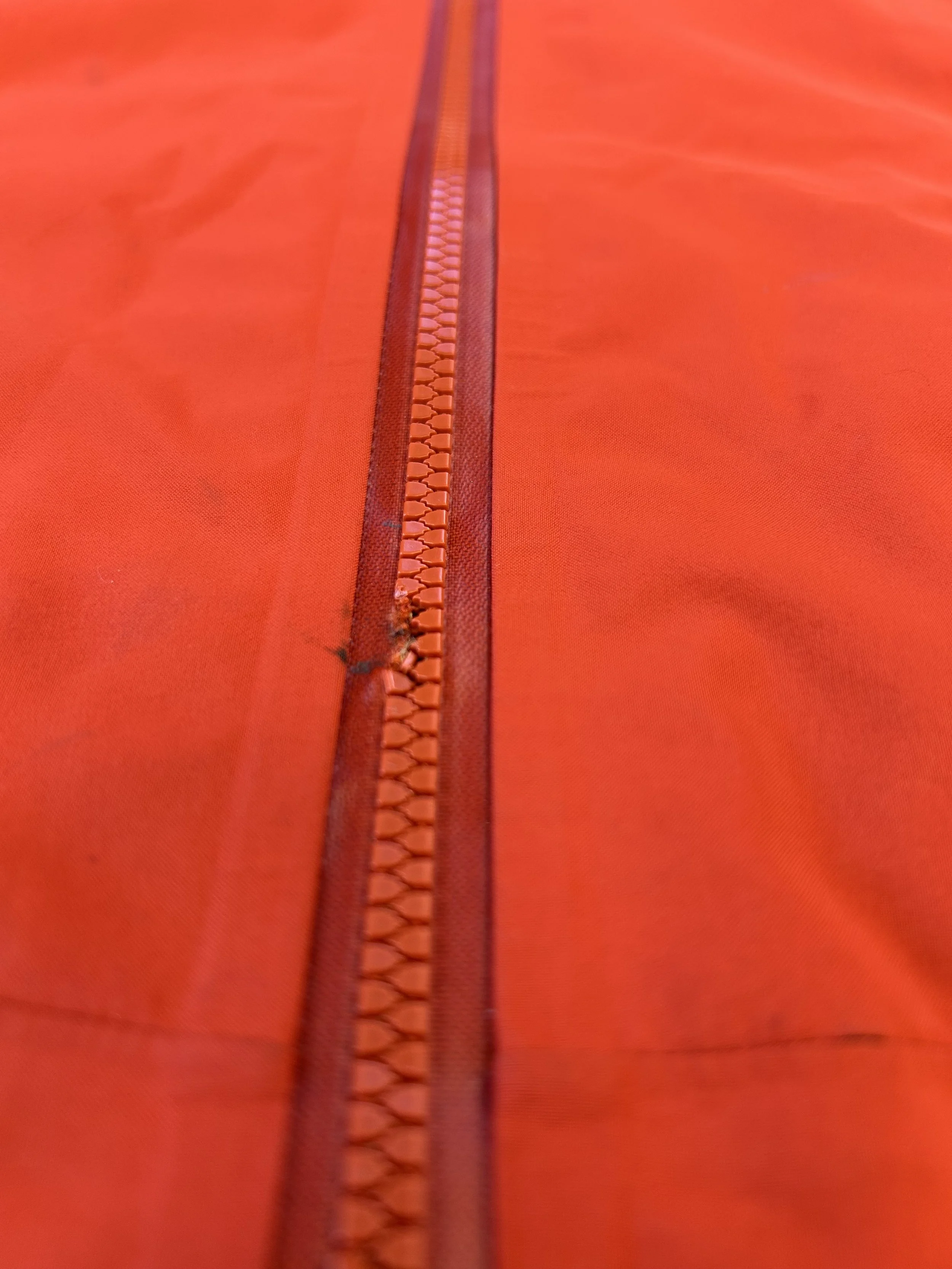
The teeth or coil, fabric tape, stitching, box, pins or other parts of the zip can become damaged or worn.
If these parts are damaged, replacing the slider may only provide a temporary solution, and the zip may need a more extensive repair or replacement. See below examples of damaged fabric tape, corrosion, and damaged teeth.
See our blog on how to repair coil zips with hand sewing here.
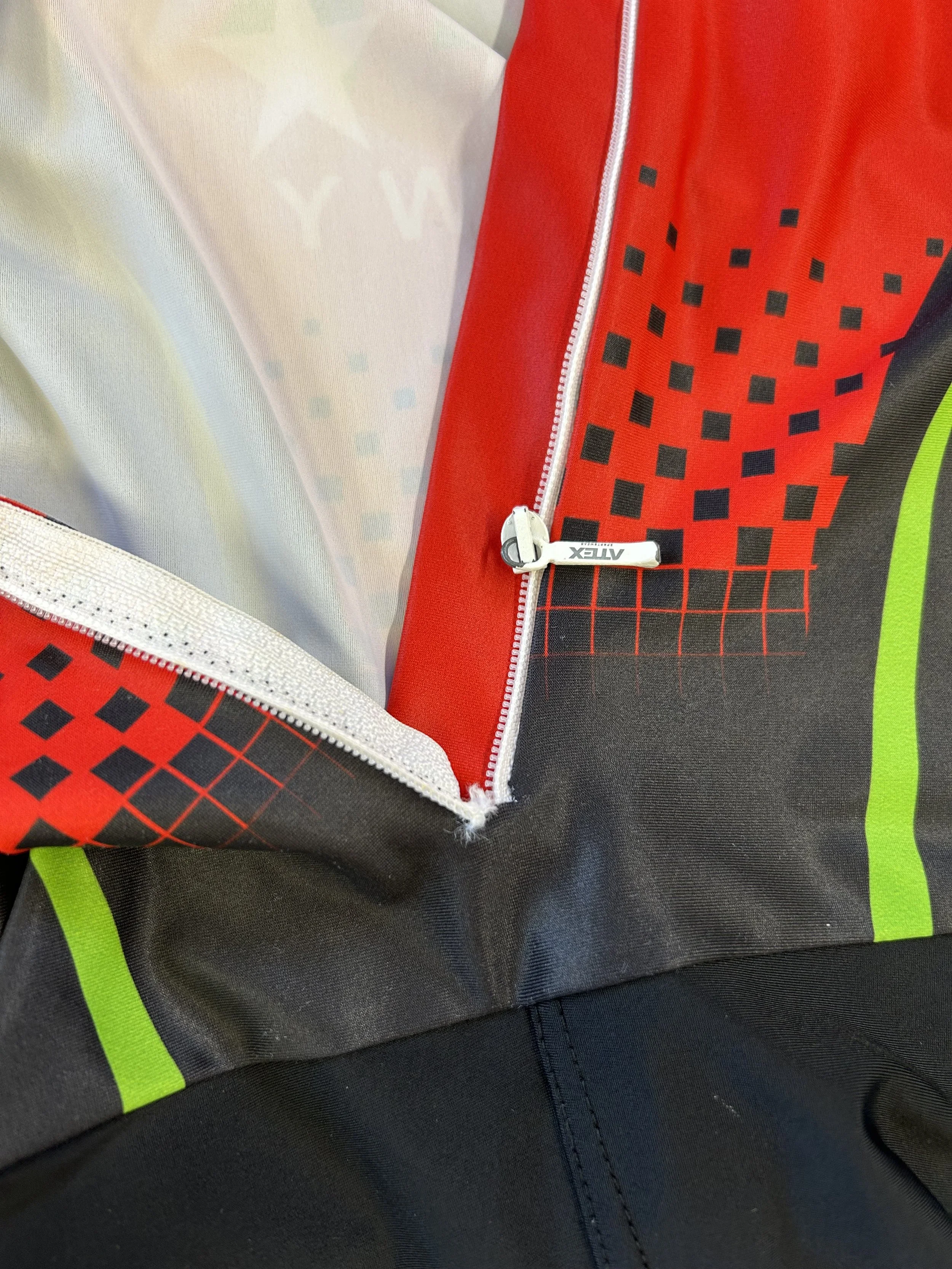
How to prevent zip problems
Don't force a stuck zip
If your zip isn't moving smoothly, don't keep pulling harder!
Pause and check whether:
The fabric or lining has become caught in the zip
The two sides of the zip are properly aligned
Anything is obstructing the slider
The zip looks damaged
The zip coil or teeth are grubby
Trying to force a stuck zip can put extra pressure on the slider and cause it to spread or damage the teeth.
Pull the slider straight
A pull attached close to the slider helps keep the force more direct and reduces unnecessary pressure on the slider.
Regularly check your zips for:
Stiff or rough movement
Corrosion
Damaged teeth or coil
Fraying or damaged tape
A slider that no longer closes the zip properly
Spotting a problem early can prevent a small zip issue from becoming a larger repair.
Look after your zips
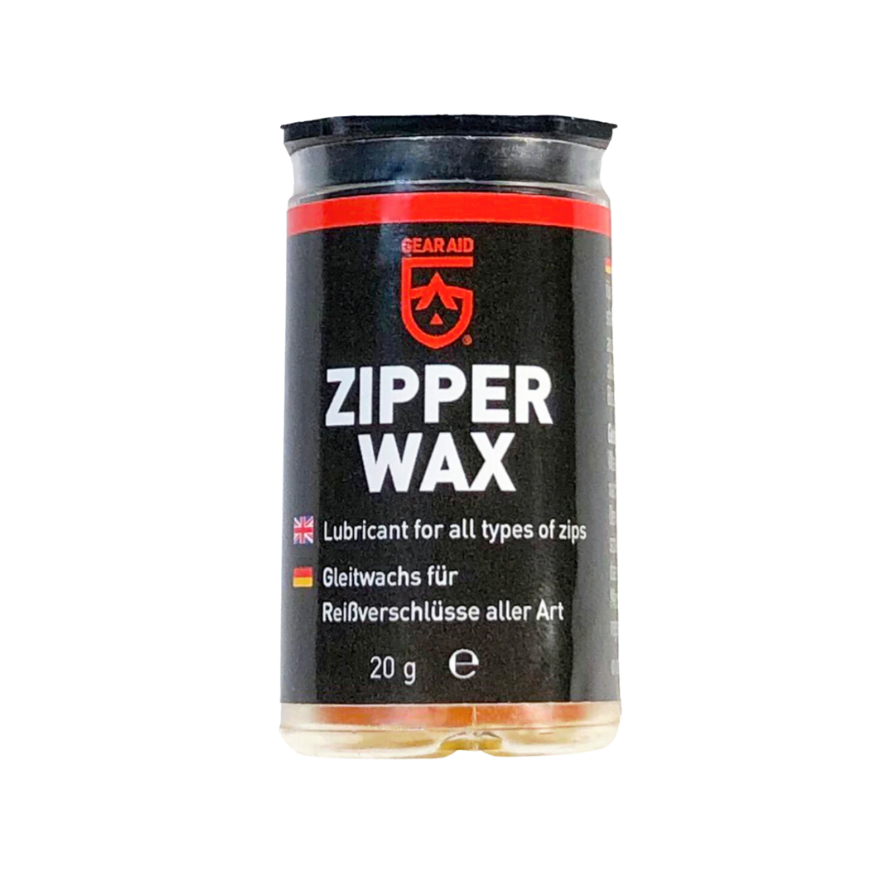
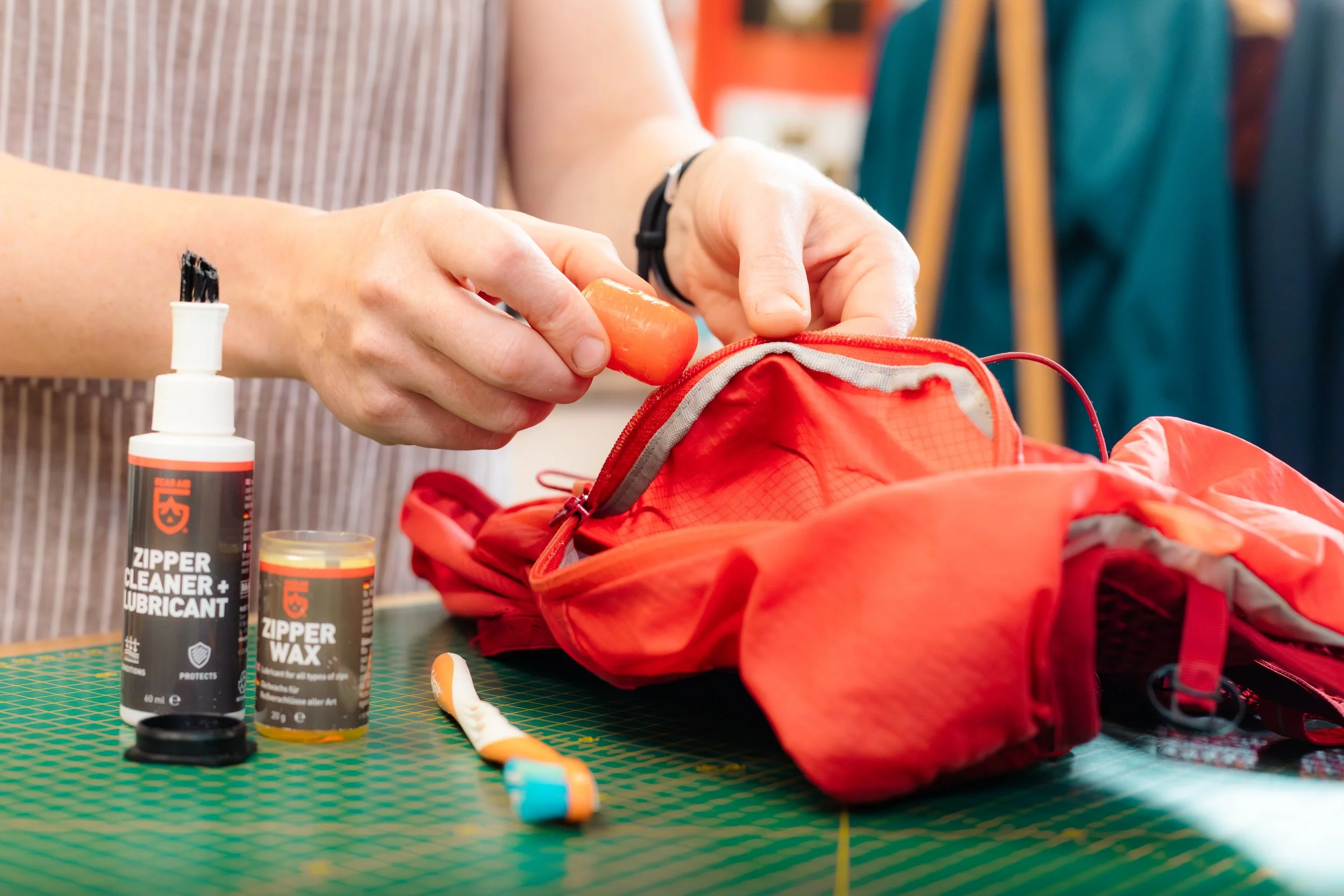
If your zip is looking a little dirty or not running smoothly, try giving your zip some love. We recommend Gear Aid zipper lubricant or zipper wax but there are plenty of other out there that can give your zips the TLC they need.
Want to learn more about zip care, repair and the inner workings of the complicated creatures, check out the rest of our blogs below: