Zip Slider Explainer

What is a zip slider?
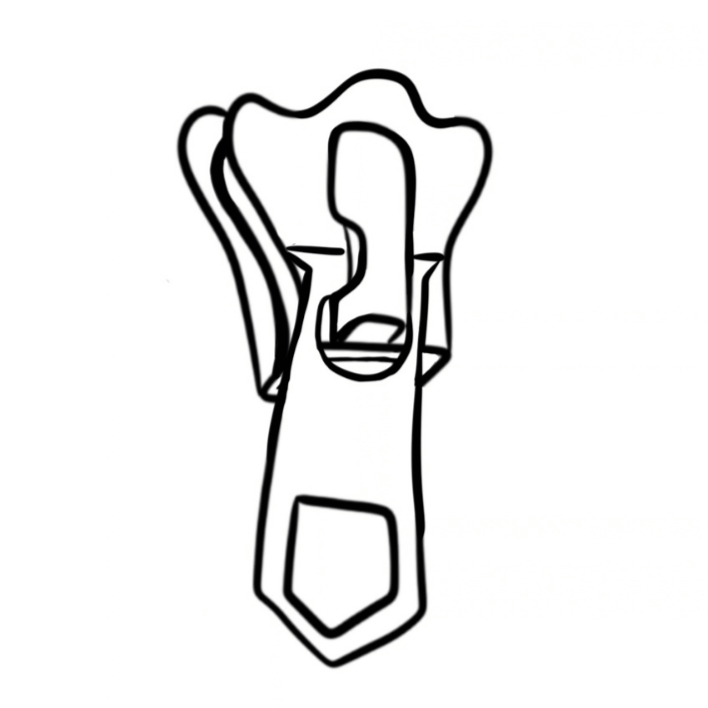
The slider is the part of the zip that moves along the teeth or coil, bringing the two sides of the zip together.
There are different types and sizes of sliders, so when identifying or replacing a slider, it is important to look at the zip type, size, function and brand.
Zip type
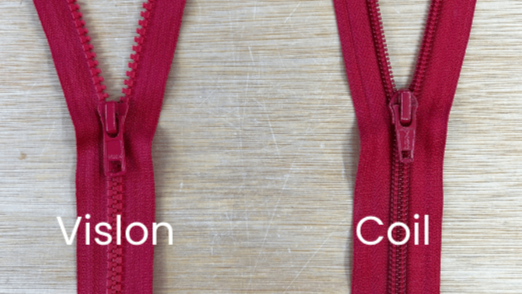
The first thing to identify is what type of zip the slider is designed for. Vison and coil are the 2 main types of zips. For main zips on jackets, vislon size 5 and up is best. For bags, tents, pockets or anything curved or flexible, we would recommend using a coil zip.
A deeper dive into the types:
COIL
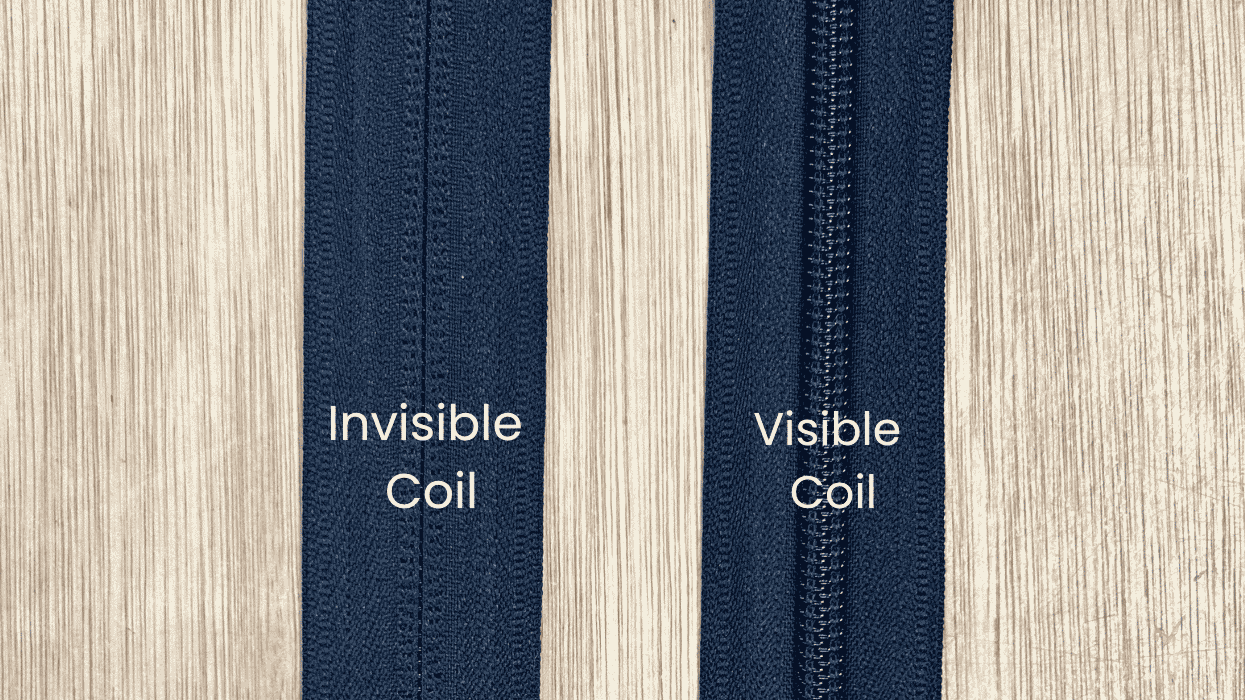
Instead of individual teeth, coil zips use a continuous coil running along the zip tape.
Coil sliders have a different internal shape from sliders designed for other types of zip, so the correct type needs to be used.
The other thing that makes coil zips extra spicy…is that they can have the coil facing inwards (making them invisible from the outside) or outwards (making them visible from the outside) depending on the item. You have to use the correct slider for the coil orientation otherwise you are in for a loosing battle with a slider replacement.
Aquaguard zips are a specifically made YKK coil zip with the coil facing inwards and a PU laminate film on the outside making them water-repellant.
VISLON (VS)
Vislon zips have individual teeth running along the zip.
The shape of the teeth and the way the slider is constructed can vary between different zip types and manufacturers.
Slider size
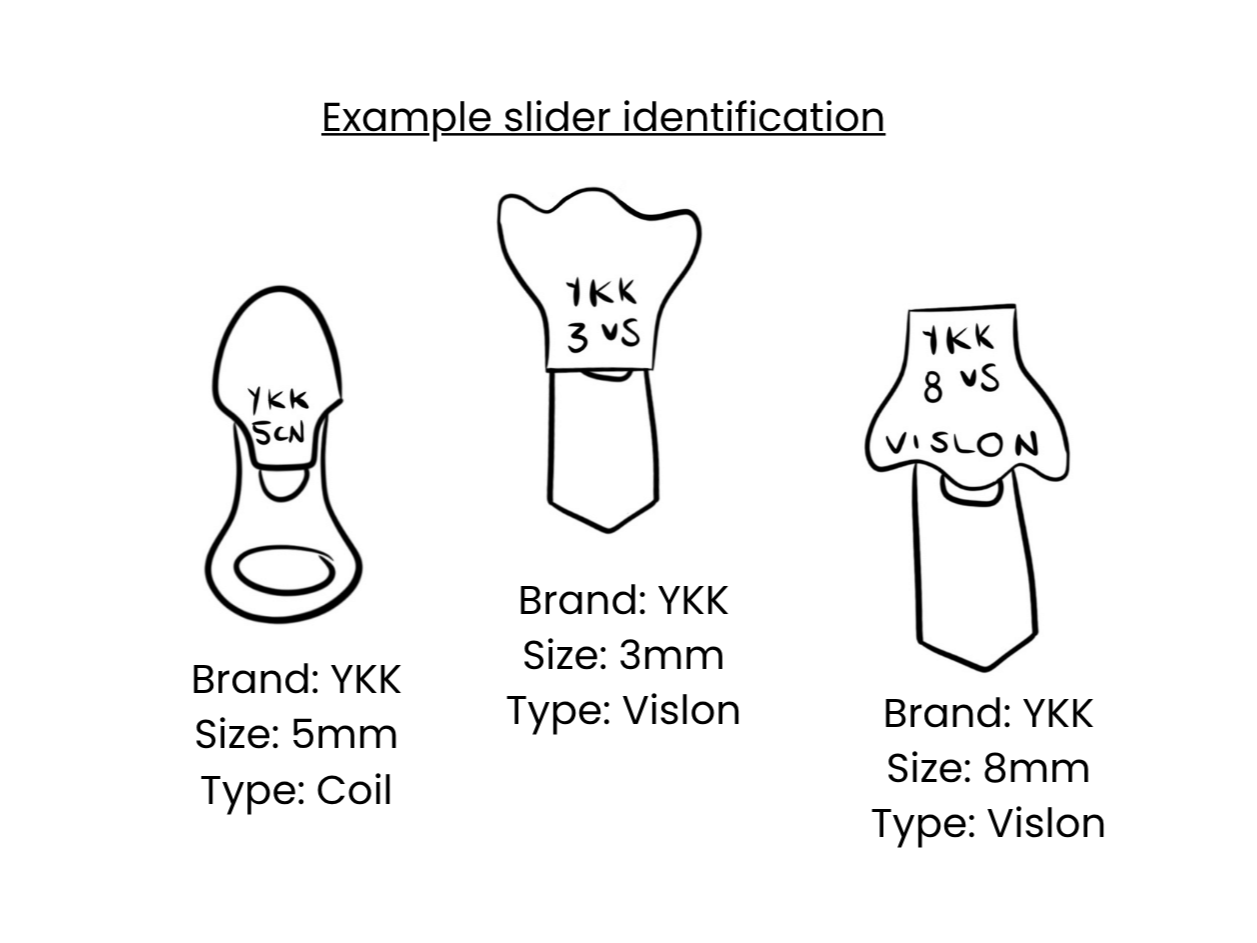
Slider size refers to the mm width of the teeth when the zip is shut. Most common sizes are 3, 5, 8, and 10. 3 is usually used on pockets & lightweight items and 5 used on main zips & backpacks.
You can measure the size with a ruler across the teeth, or checking the imprint on the back of the slider.
Function
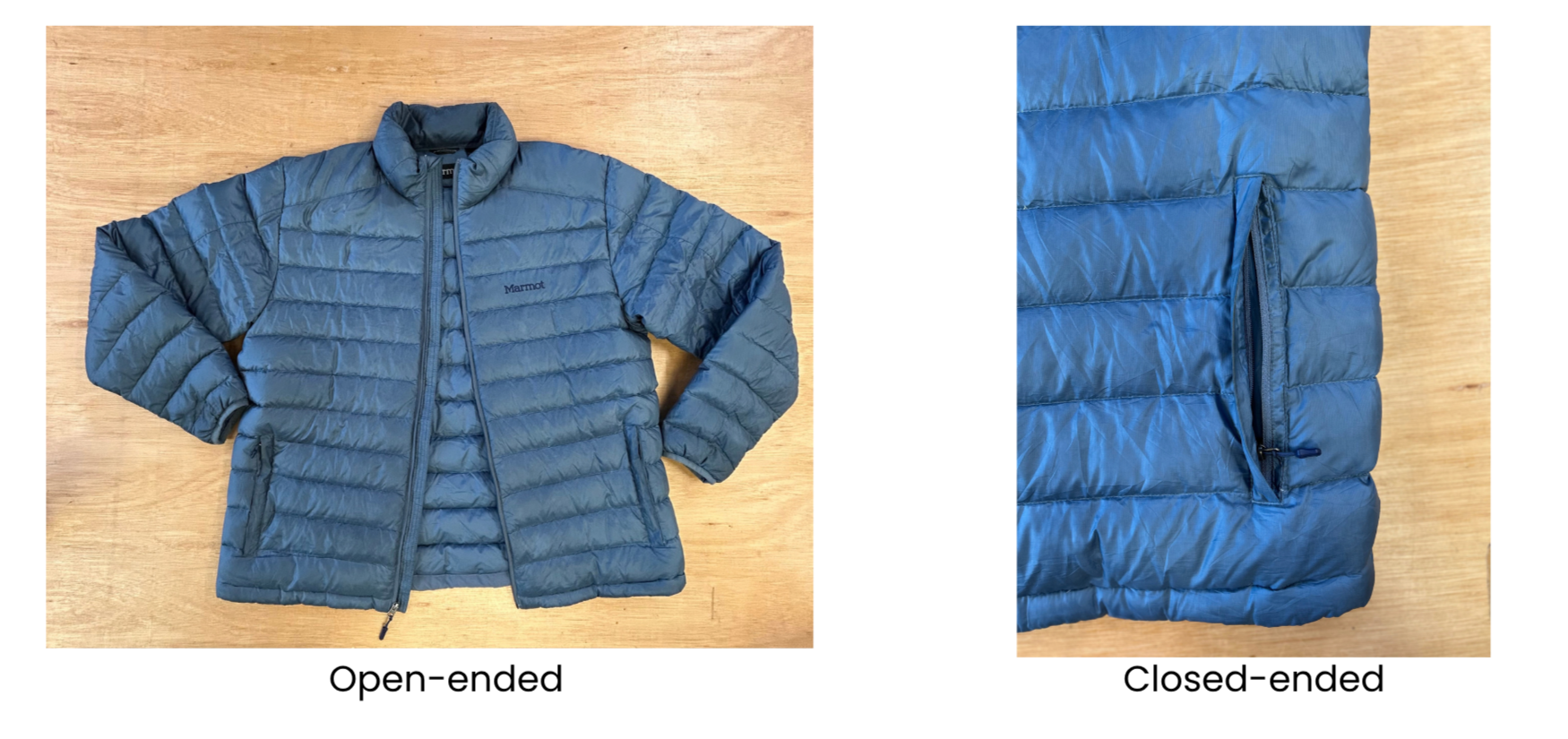
Open-ended: Fabric can come apart completely. Mostly seen on jacket main zips and salopettes.
Closed-ended: Never fully separates at ends. Mostly used on pockets, fly zips and tents.
Waterproof: is water resistant, not waterproof. Must be seam sealed to gain water resistance.
Slider brand
The brand of the zip can also be important.
The most widely used brand (and the one we stock most of) is YKK. Other popular brands include Pex and Opti, as well as various unbranded sliders.
Sliders from different manufacturers can sometimes be compatible, but this cannot always be assumed. The important thing is that the slider correctly fits and engages with the zip.
Locking and non-locking sliders
Sliders can be either locking or non-locking.
Locking sliders
Most main clothing zips use locking sliders. The locking mechanism prevents the slider from moving when the garment is being worn. This means that if the zip is left partially open, it should not gradually open further as you move around.
Non-locking sliders
Non-locking sliders are commonly used on bags and backpacks. These are designed to move freely along the zip rather than locking into position.
Two-way zip sliders
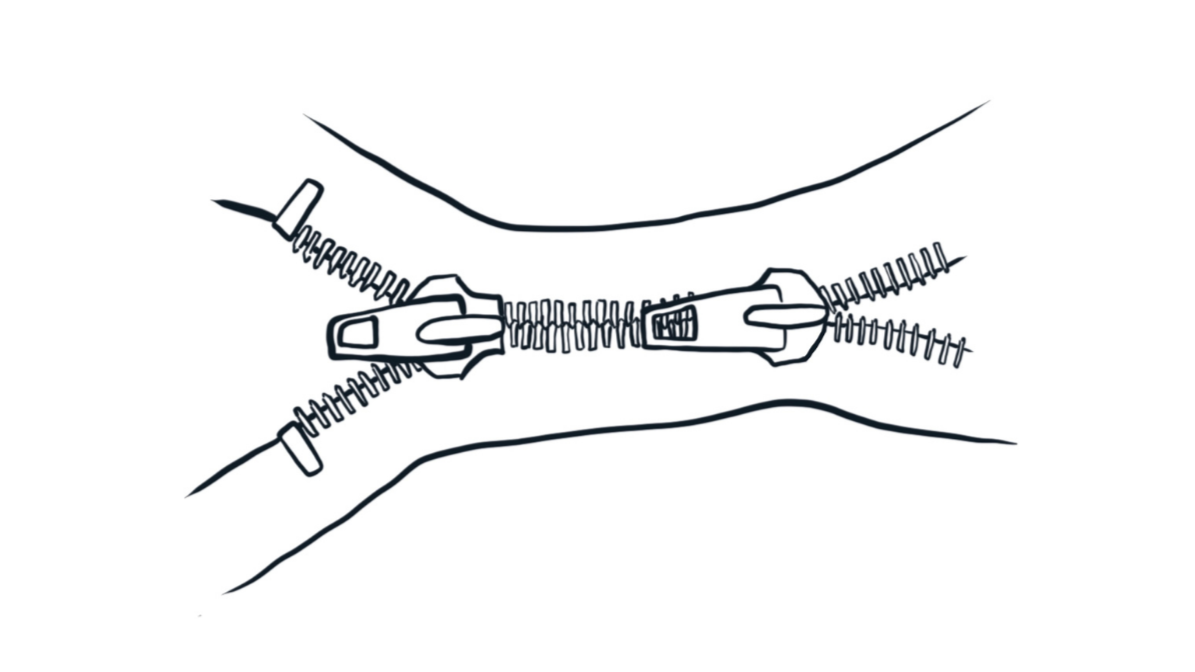
A two-way zip has two sliders that can move along the same zip.
These are commonly found on items such as jackets, where the zip can be opened from either end.
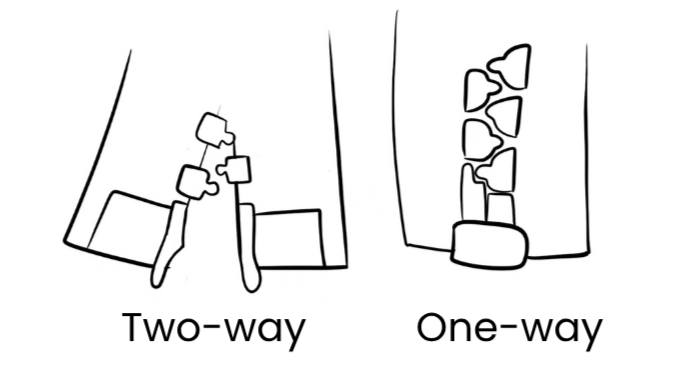
Two-way zips have a different bottom construction from a standard one-way zip.
A standard one-way zip has a box at the bottom which prevents the slider from coming off.
A two-way zip cannot have the same large box because both sliders need to be able to move along the zip. Instead, it has smaller bottom components that the sliders interact with.
This means that the bottom components are an important part of identifying and assessing a two-way zip.
In summary - How to identify a slider:
1. Size - What size zip does it appear to fit?
2. Zip type - Is it a coil zip or a vislon zip?
3. Brand - Is the zip or slider marked with a manufacturer such as YKK?
4. Slider type - Is it locking or non-locking?
5. Construction - Is it a standard one-way slider or part of a two-way zip?
Want to learn more? See our other blogs to learn how to do some hands on DIY repairs: