What is Seam Tape and Why Does it Fail?
What is Seam Tape?
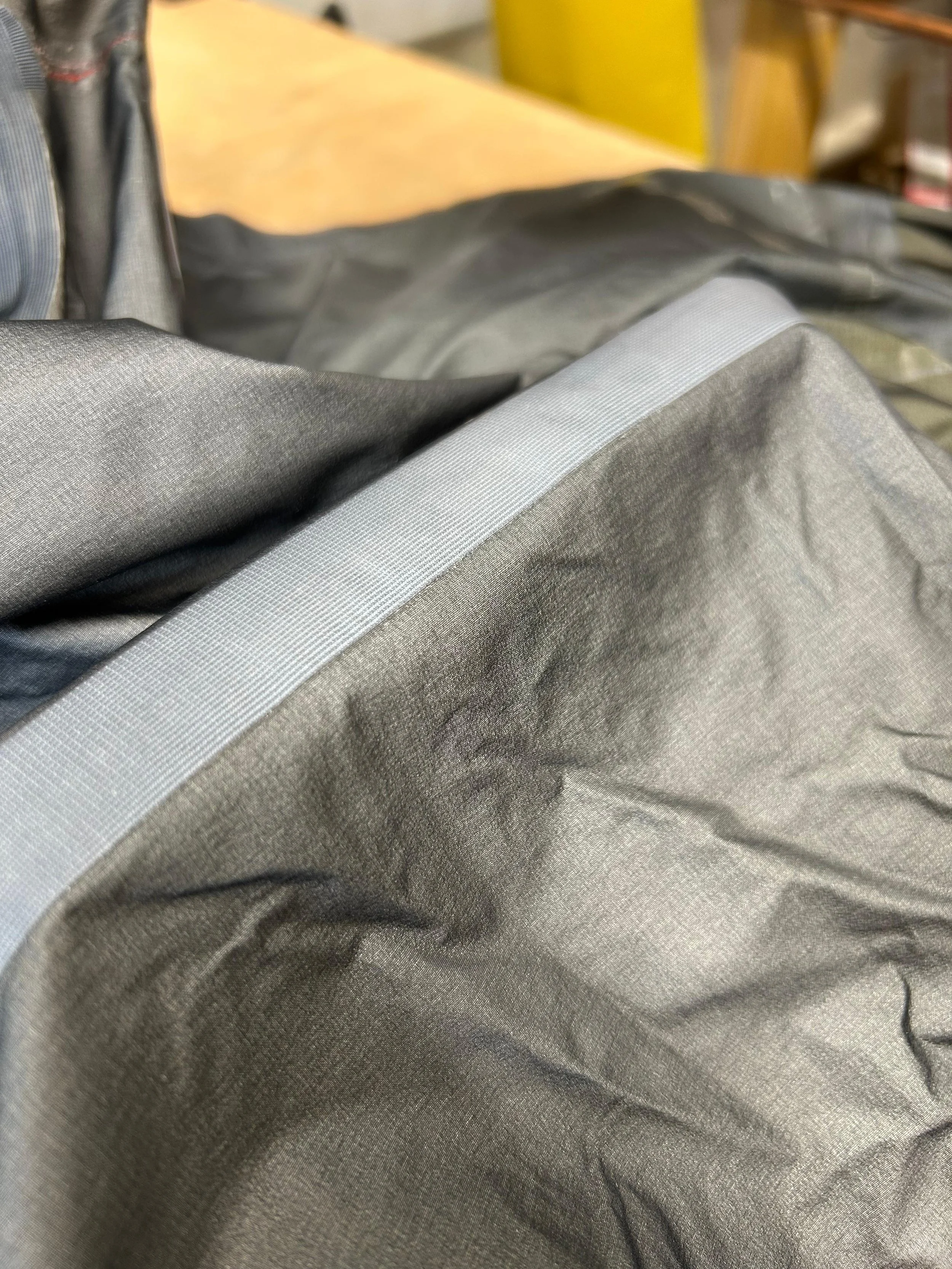
Humans have achieved some amazing things with fabric technology when it comes to waterproof materials. But as waterproof as a fabric can be, it still needs to be stitched together. The needle creates tiny holes in the fabric making it vulnerable to water seeping in through the holes or wicking in along the thread.
This is where seam tape comes in. It fills the holes made in the stitching process and reinforces the seams, making the item fully waterproof.
Applied to the inside of a stitched seam in items like waterproof jackets & tents, seam tape is heat activated with adhesive on one side and a waterproof membrane on the other to create a strong and flexible seal.
A Brief History of Seam Tape
Before the 1930s
‘Back in the day’ outdoor clothing replied heavily on materials like waxed cotton, oilskins and rubberised fabrics. These materials kept the water out but there was still the problem of the stitching holes…waxes and oils were used to block these holes but these tended to make items quite rigid and sticky (not ideal).
1930s–1950s
Coated fabrics and rubber started having their moment, especially for rainwear. Seam welding also began to emerge, which meant fusing the fabric together with heat and pressure, removing the ‘stitching holes’ problem.
1970s
Big advancements were made in fabric technology, including the arrival of GORE-TEX. These fabrics were a game changer, as for the first time an item could keep water out but still be breathable allowing moisture to escape. The stitching holes problem was back - enter seam tape! This provided a long lasting, much more practical solution to restoring the waterproof barrier.
1980s–2000s
Seam tape became a star of the show and was now the standard in technical outdoor clothing & equipment. Liquid seam sealants also became more popular, particularly for repairs and awkward areas.
Today
Wherever stitching happens seam sealing follows. Manufacturers use seam tape, liquid sealants and seam welding to waterproof seams.
Why does seam tape fail?
Over time, seam tape can begin to degrade, caused by:
Repeated washing
Washing too hot or with the wrong washing liquid (following manufacturers' washing instructions can extend an item's life drastically!)
Wear and tear over time, such as repeatedly storing a waterproof scrunched up in a bag, or wearing a rucksack on top of a waterproof jacket (the straps rub the fabric and eventually cause delamination).
Age - as laminated fabrics and seam tape age, the layers of each begin to delaminate and perish. These changes eventually affect the adhesion of the tape.
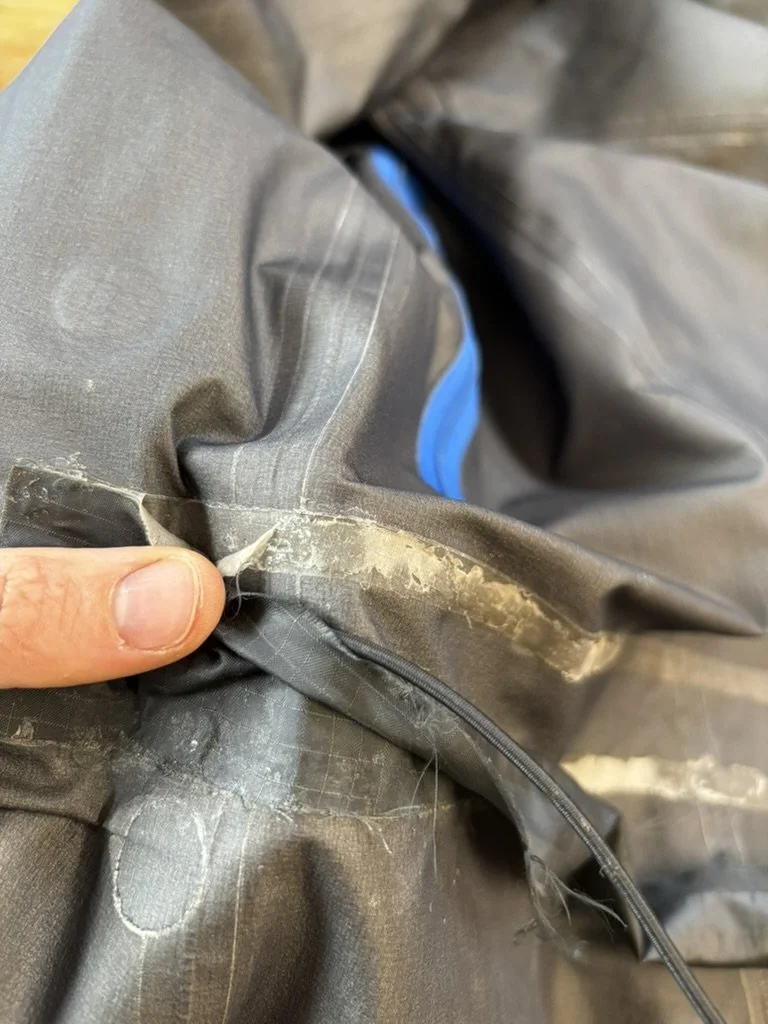
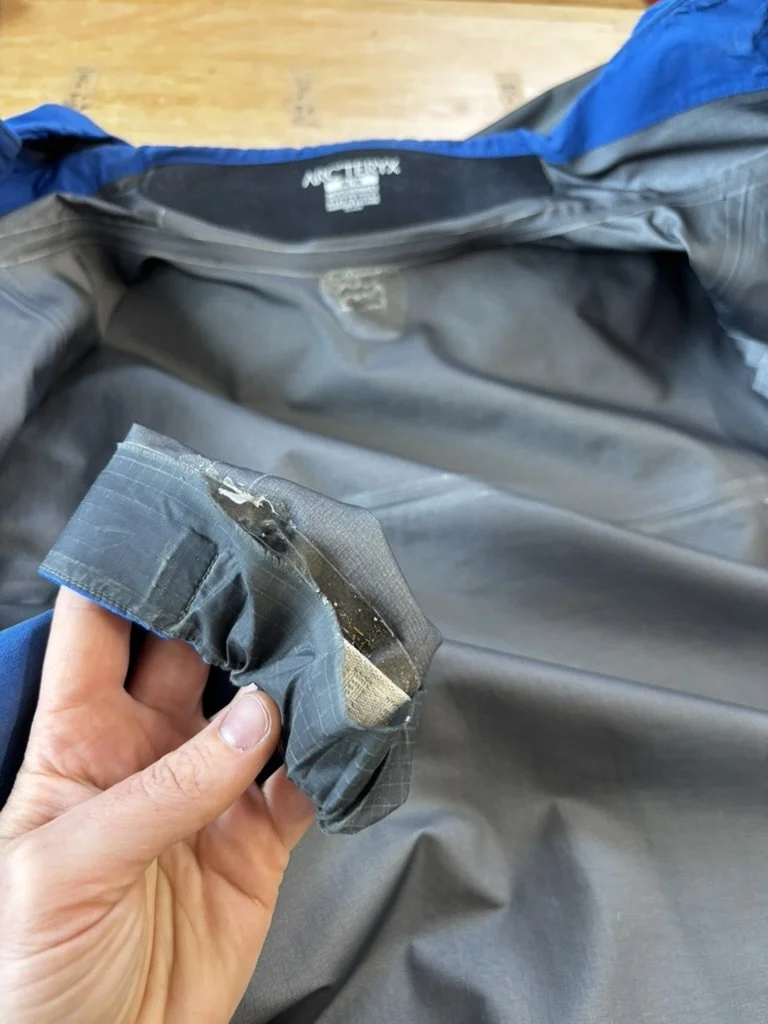
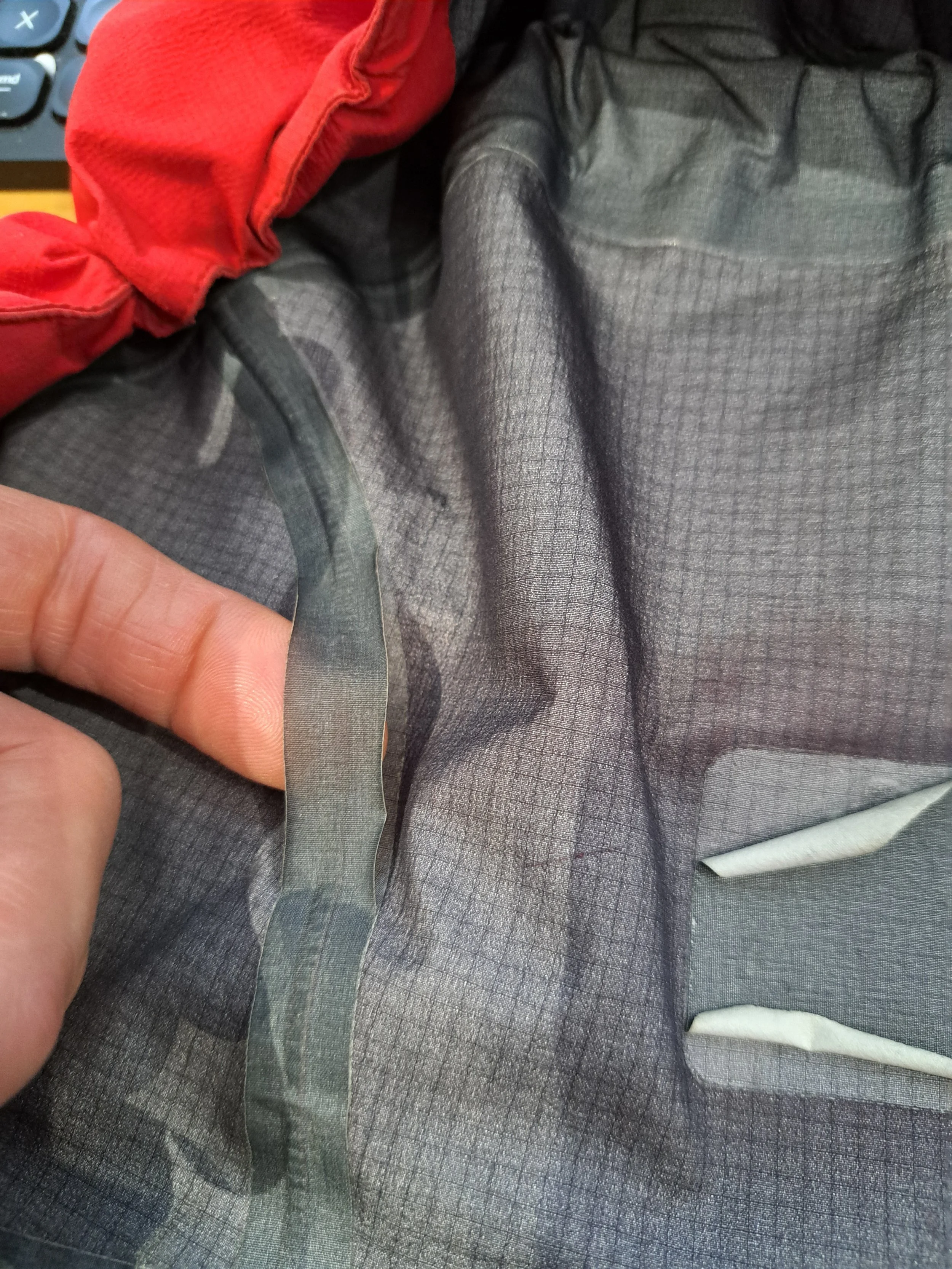
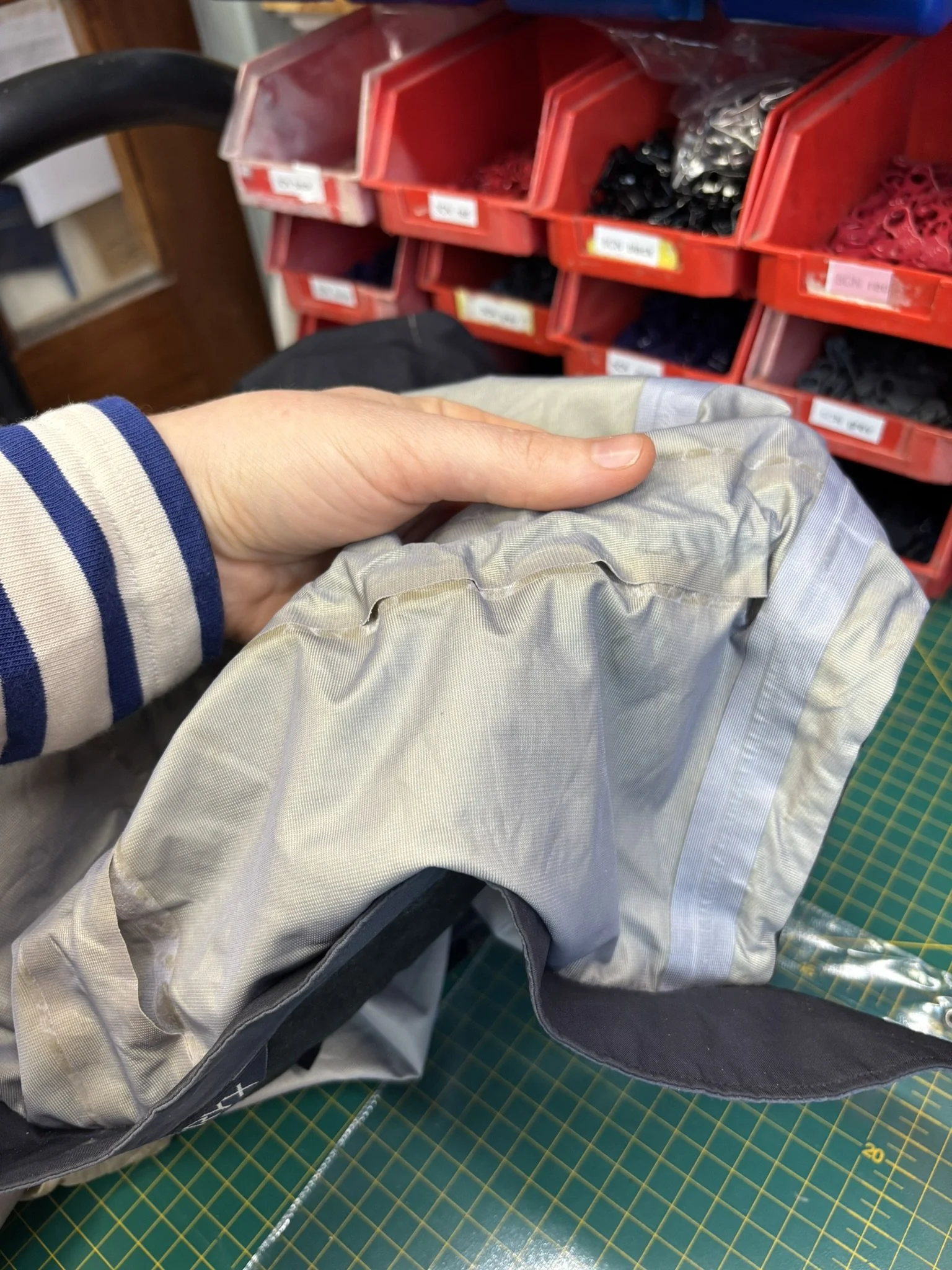
Seam tape can fail by starting to peel away (often caused by washing), or can become flaky and powdery (usually caused by age).
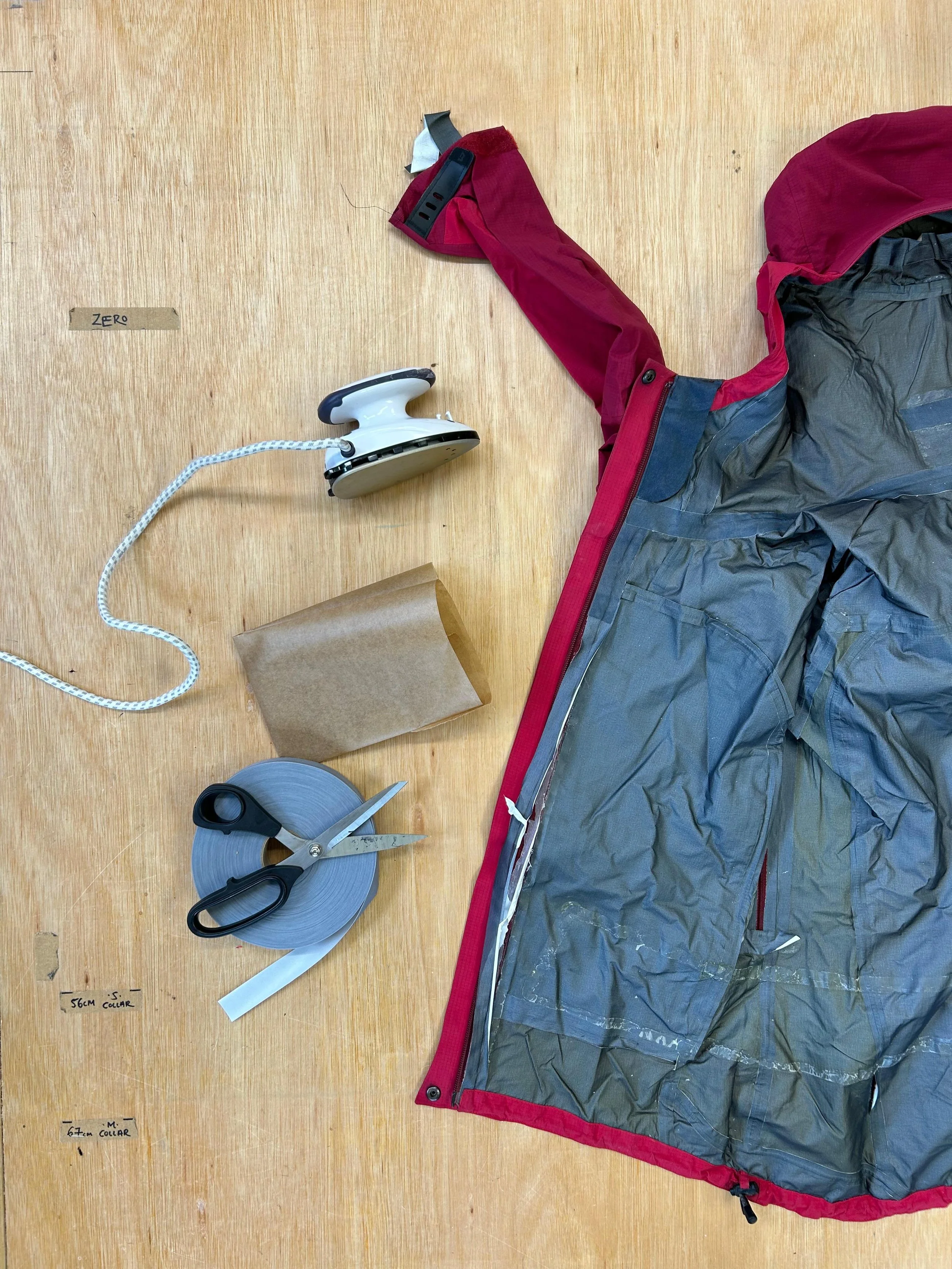
If your seam tape looks a bit like the photos below, fear not! Read on for what you can do about it.
What can I do about it?
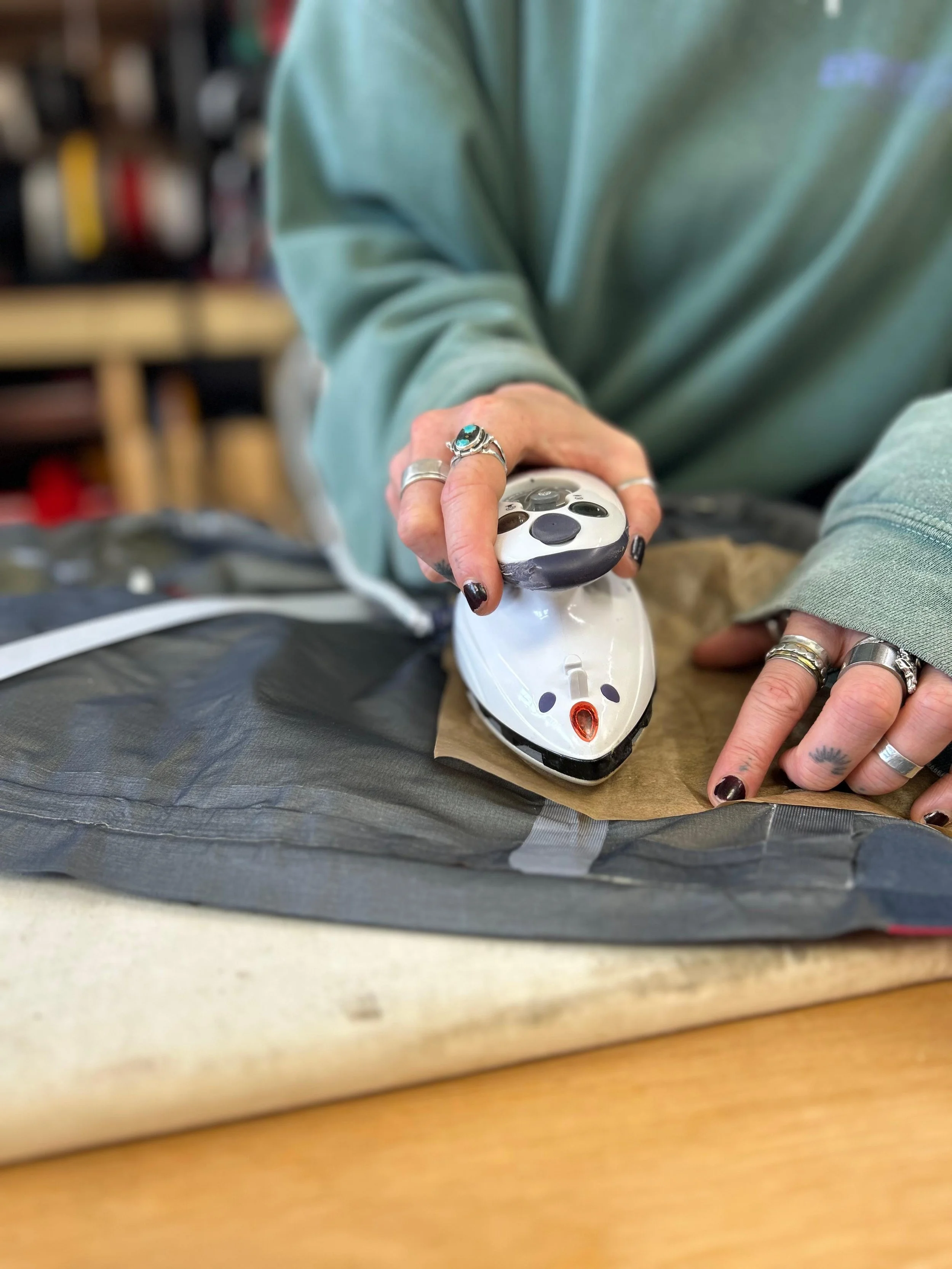
If the tape has started to curl up, sometimes it is possible to repair it without replacing any tape. Use an iron on low and go over the area, see if you can melt the glue and stick it back down. For the full ironing instructions, see our how-to article on seam tape.
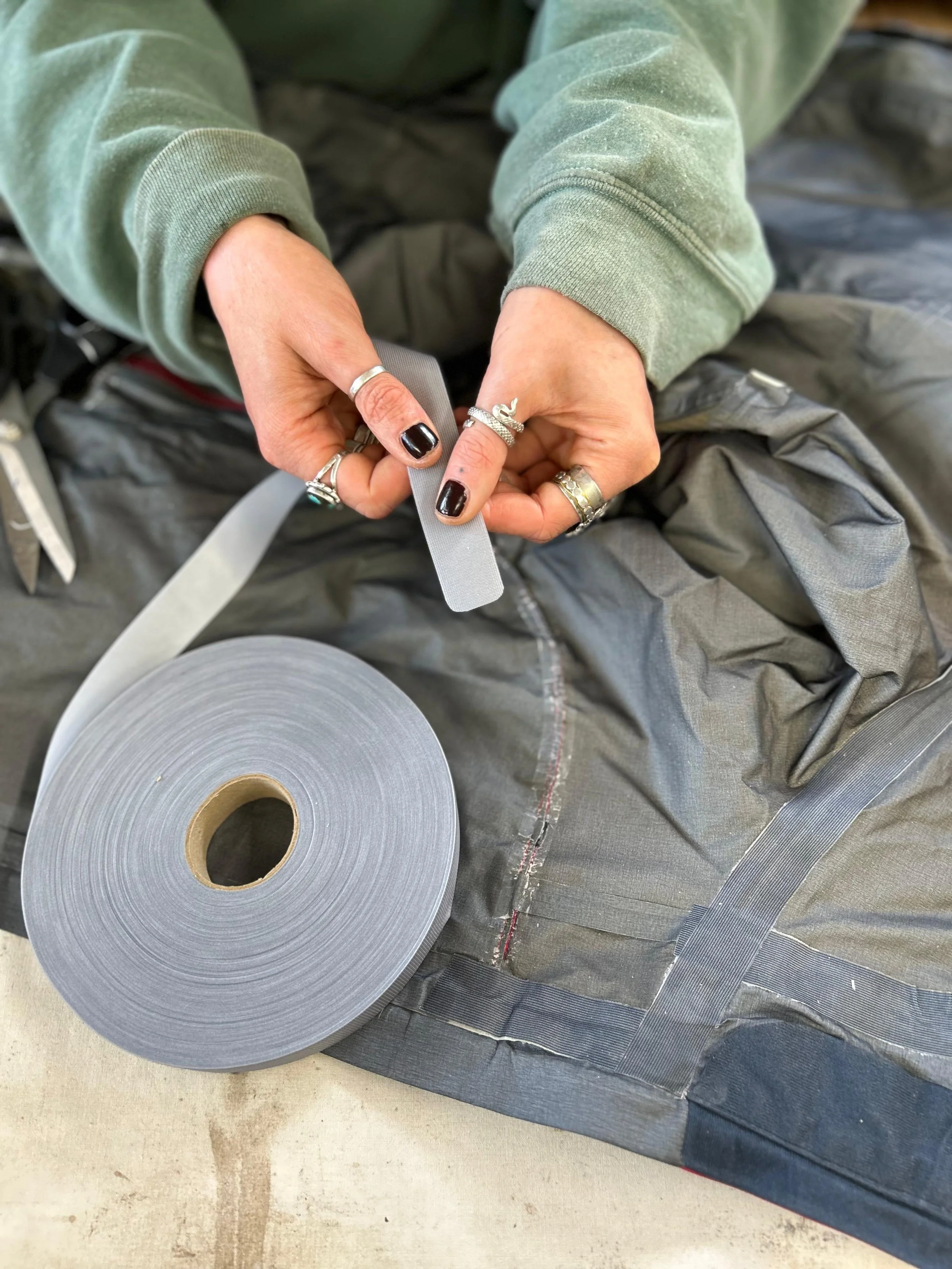
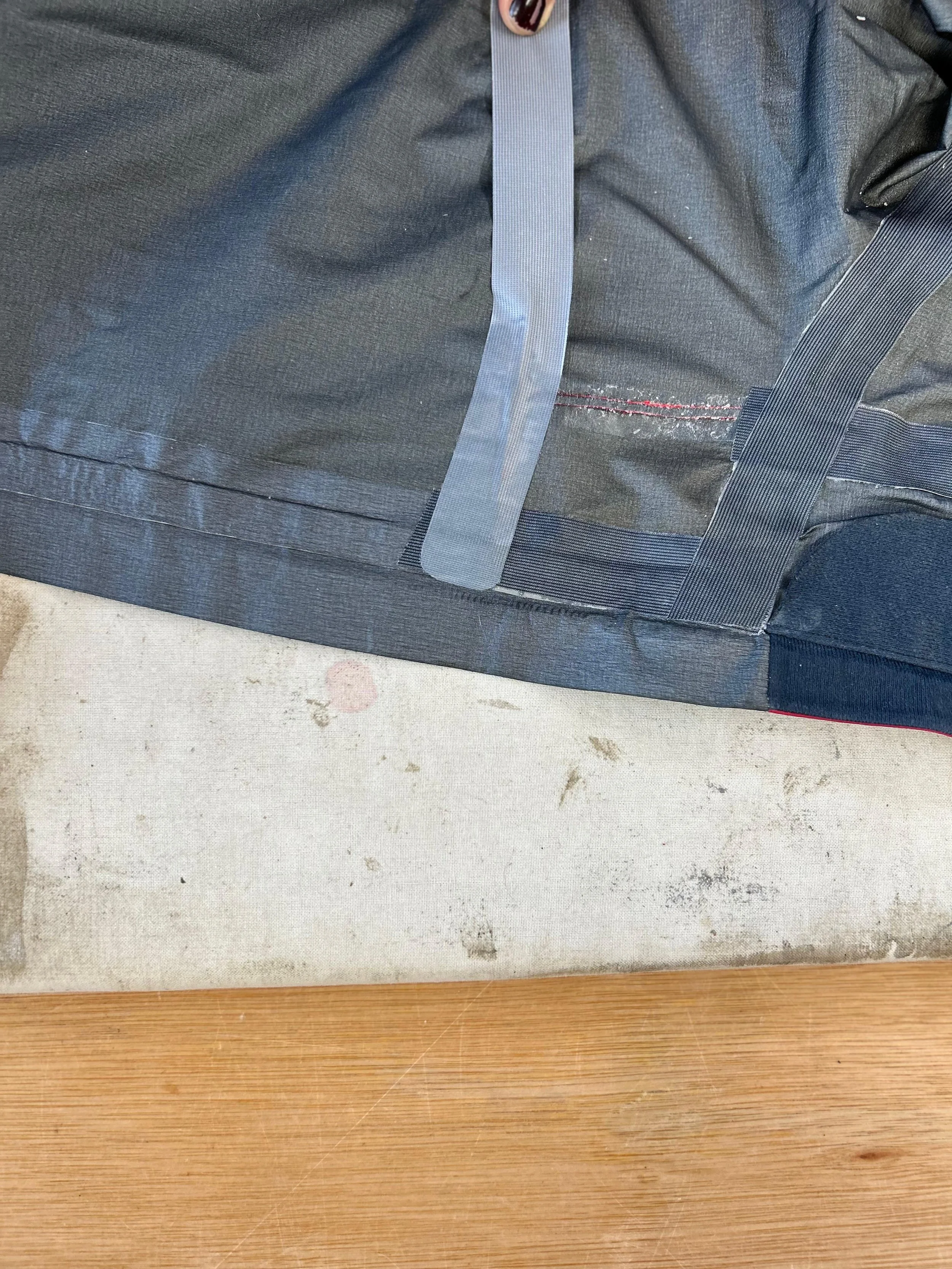
If not, or for larger areas, if you are able to remove the old tape you can replace it with new seam seal tape! It is slightly time consuming but very worth it to keep your favourite gear going. See our guide on how to replace seam tape for some guidance.
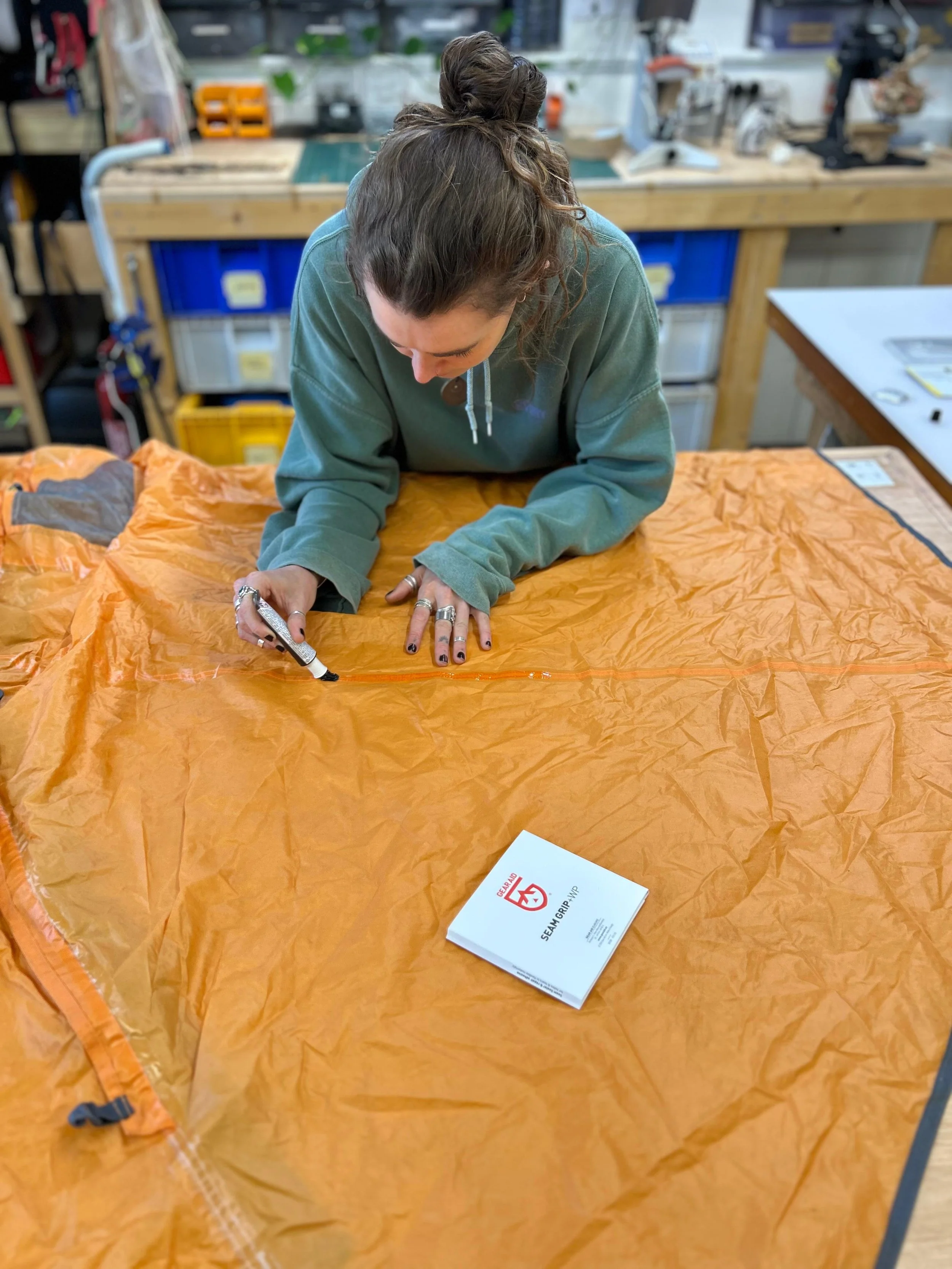
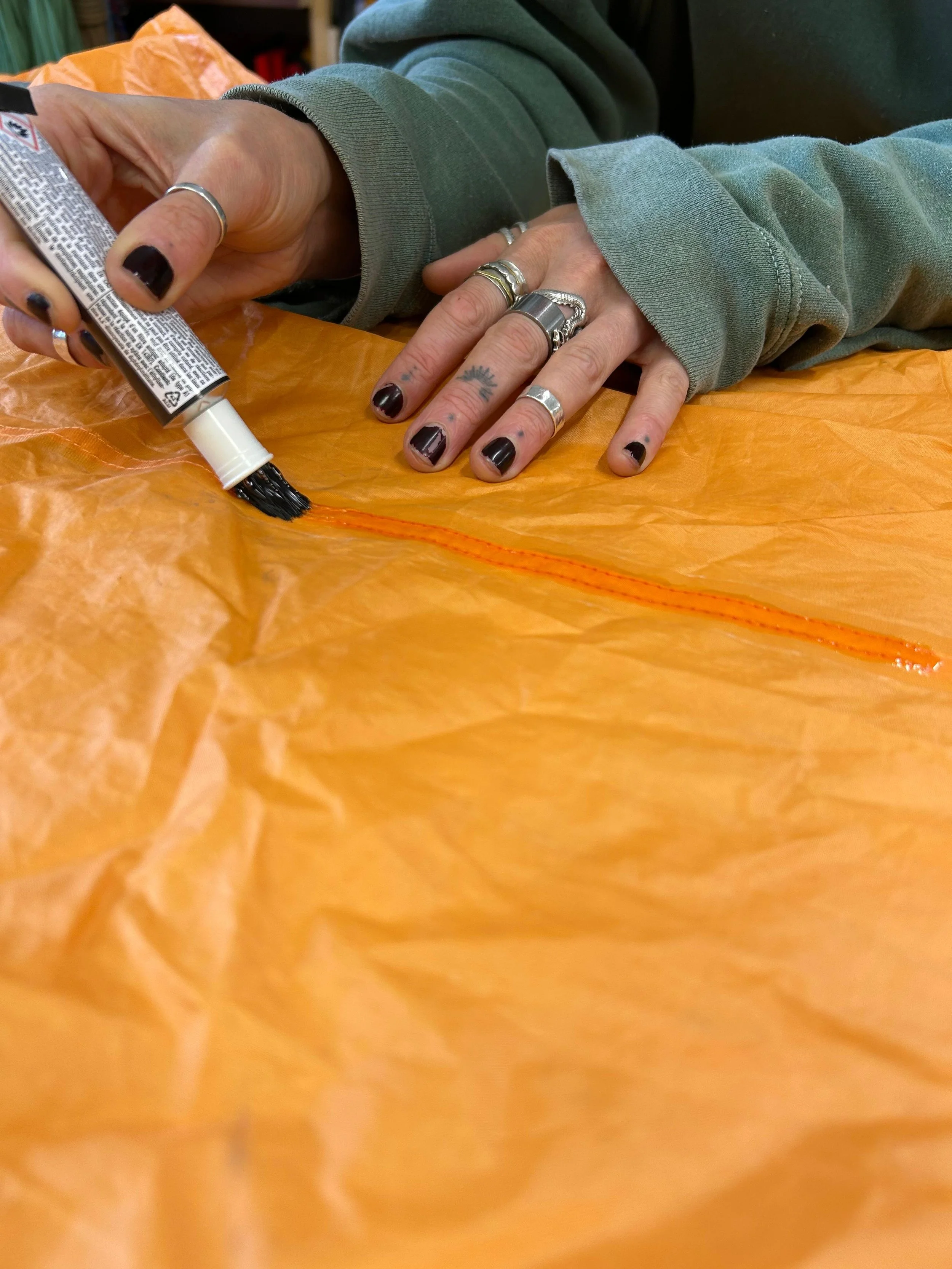
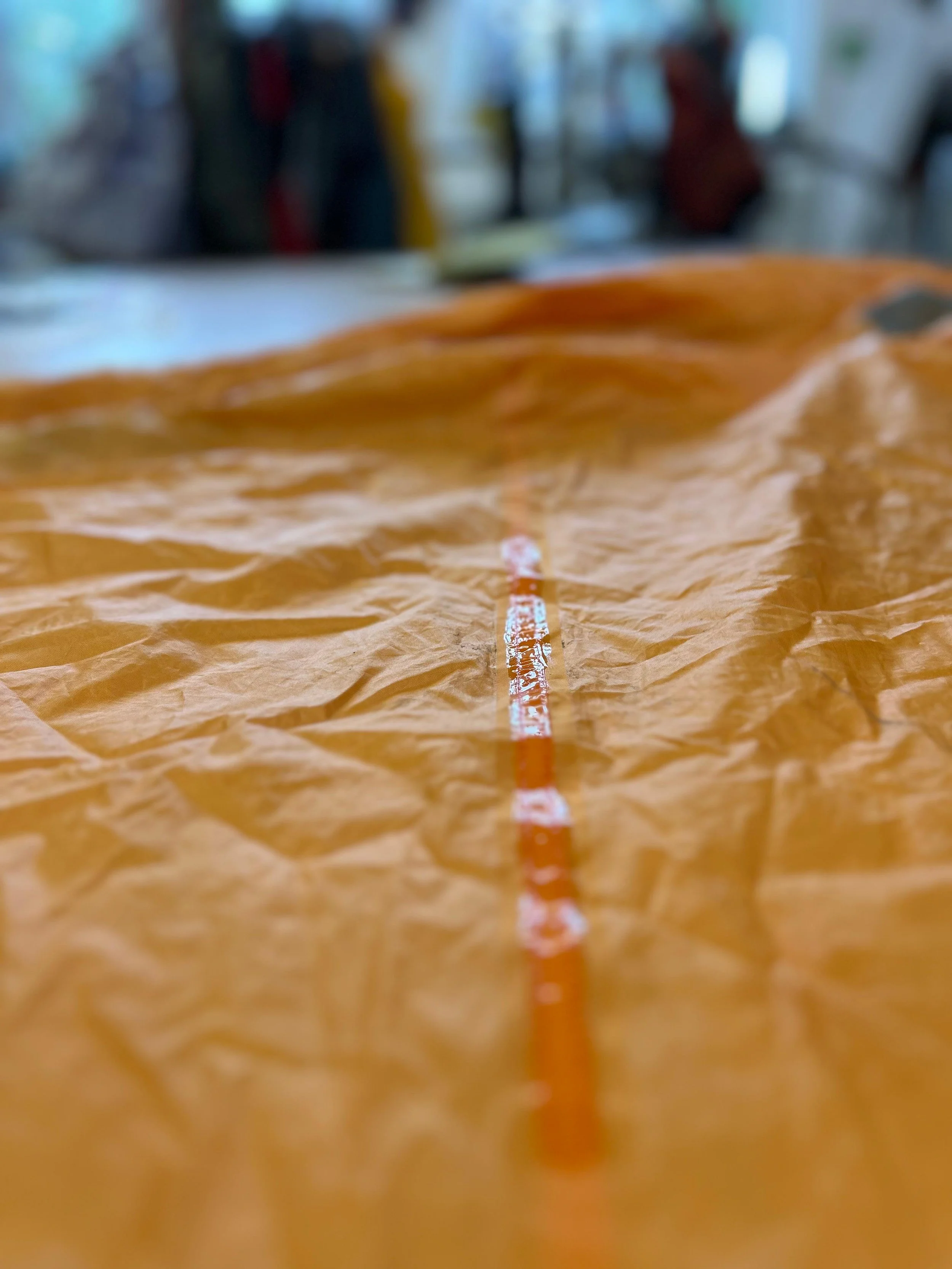
If the whole item's seam seal has failed, or if you are unable to remove the old tape, you can use liquid seam seal to fix up your gear. This again is a time consuming process but is a satisfying fix, and will restore your item to its previous glory! We have also written a guide on how to use liquid seam seal if you need a helping hand.
*Tip - It is important to make sure the seam seal you use is compatible with the fabric of your item, seam seal tape will not stick to all fabrics, this is where liquid seam seal is really helpful.